12 Foods High in Iron – Boost Your Iron Intake Naturally
Iron is a vital mineral that plays a critical role in the body. It is essential for producing hemoglobin, which carries oxygen in the blood, and for maintaining a healthy immune system. Low iron levels can lead to iron deficiency anemia, which can cause fatigue, weakness, and other health problems.
To avoid this, it’s important to include iron-rich foods in your diet. Whether you’re vegetarian, vegan, or an omnivore, there are plenty of options to choose from. In this article, we will explore 12 foods that are naturally high in iron and how you can incorporate them into your meals to boost your iron intake.
1. Spinach
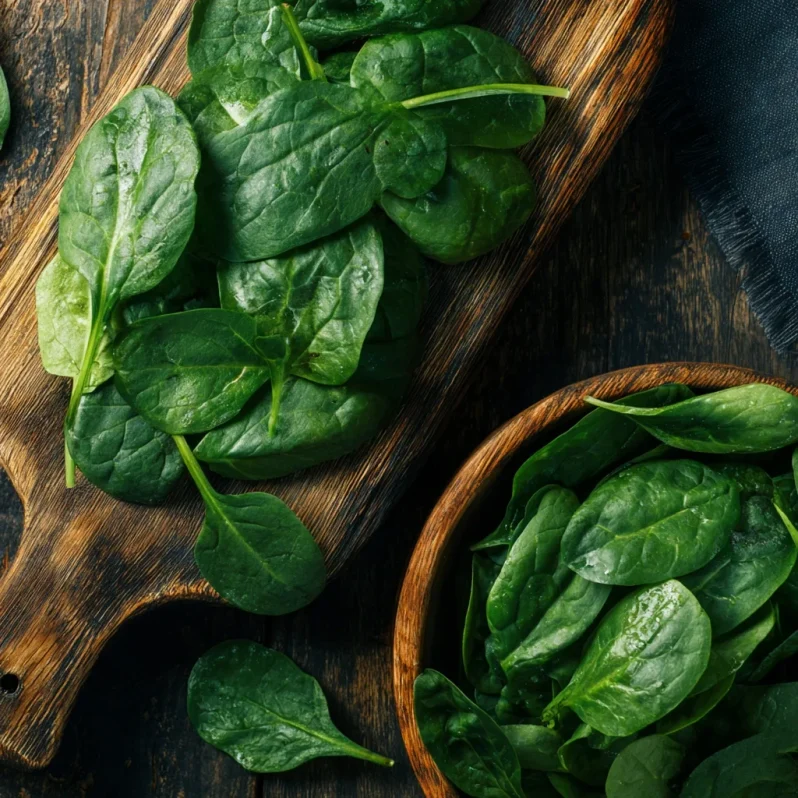
Spinach is one of the best plant-based sources of iron. It contains non-heme iron, which is the type of iron found in plant-based foods. One cup of cooked spinach provides around 6.4 mg of iron, which is about 36% of the recommended daily intake for adults.
Spinach is versatile and can be eaten in many forms: raw in salads, blended into smoothies, or cooked in soups and stews. To enhance iron absorption from spinach, pair it with vitamin C-rich foods like tomatoes or citrus fruits.
2. Lentils
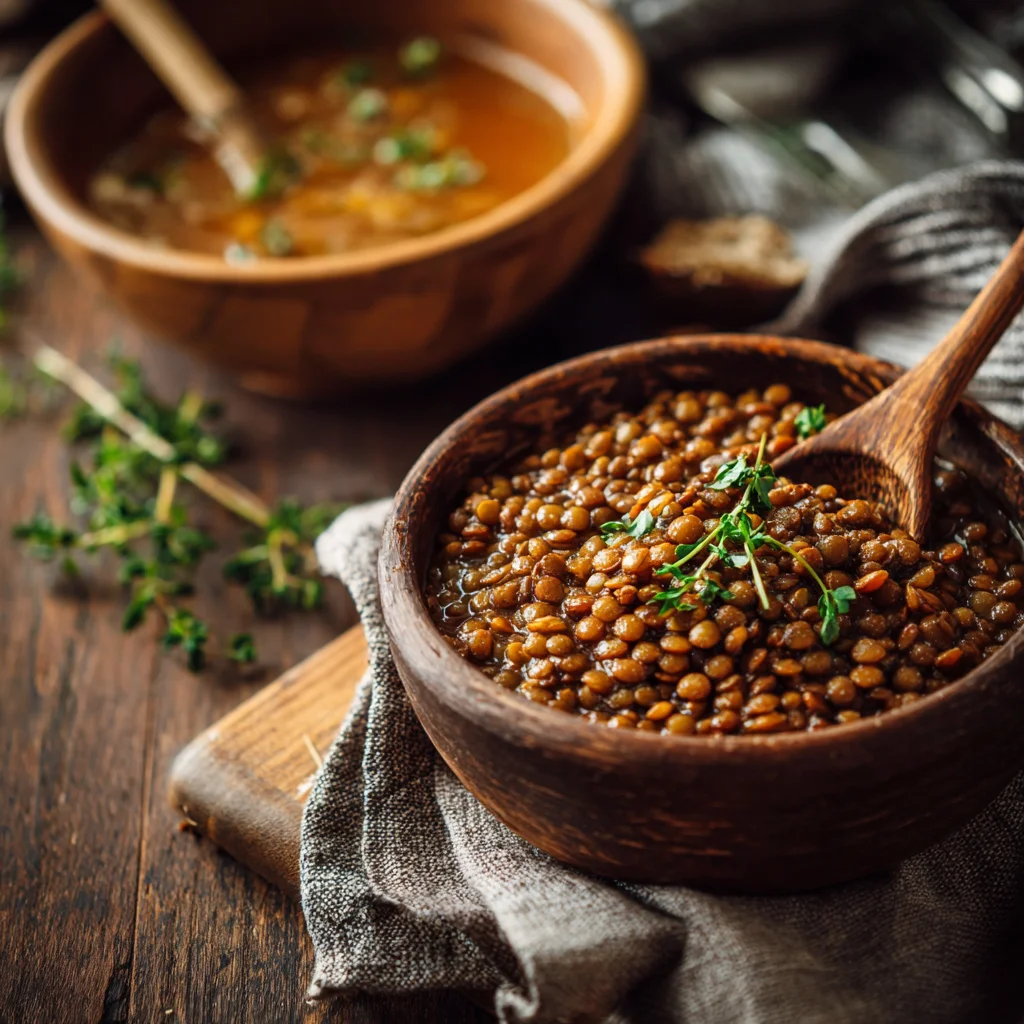
Lentils are another excellent source of non-heme iron. A cup of cooked lentils provides around 3.5 mg of iron, making them an ideal choice for boosting your iron intake. Lentils are also high in fiber, protein, and various other nutrients, making them a nutritious option for vegetarians and vegans.
You can add lentils to soups, salads, or use them as a base for veggie burgers. The versatility of lentils makes them an easy ingredient to incorporate into a variety of dishes.
3. Red Meat (Beef)
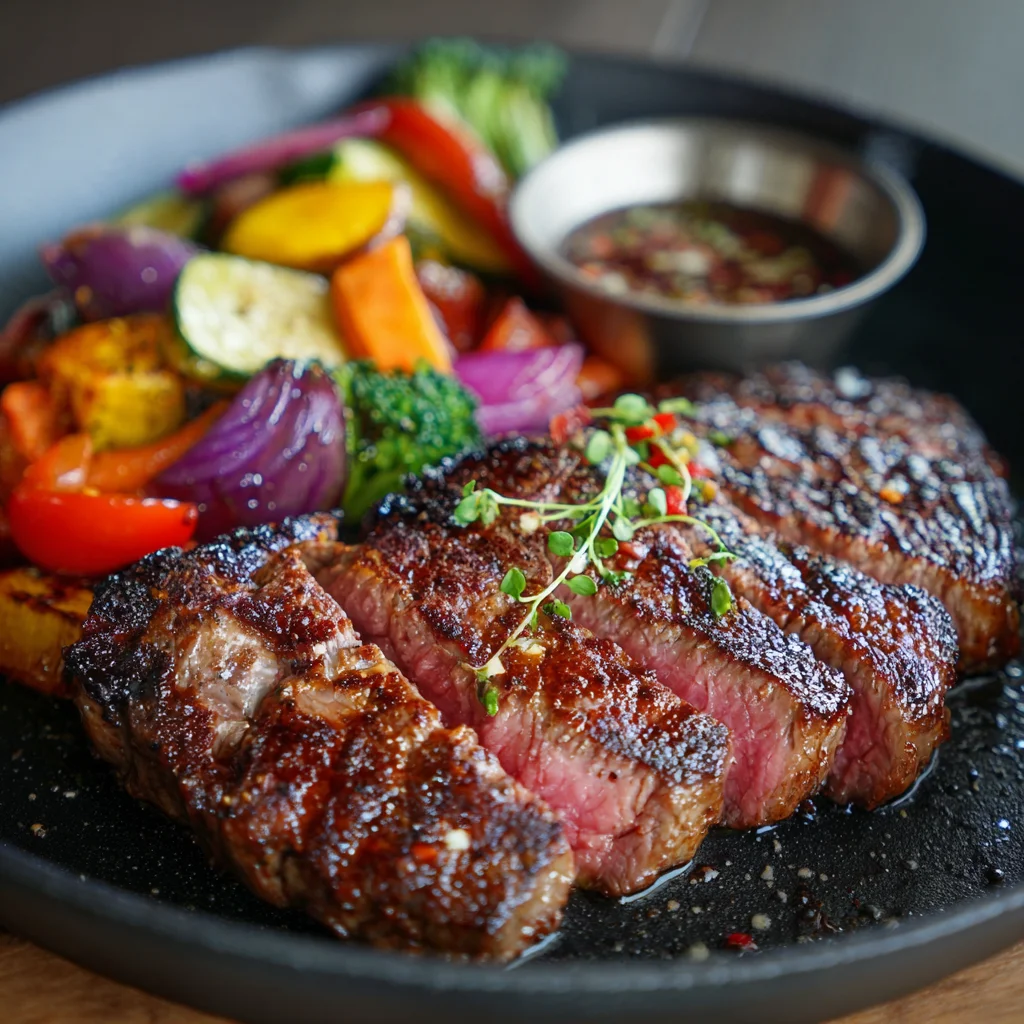
When it comes to iron absorption, red meat such as beef is one of the best sources of heme iron, the type of iron that’s most easily absorbed by the body. A 3-ounce serving of beef provides around 2.1 mg of iron, along with other essential nutrients like protein and zinc.
If you’re looking to increase your iron intake quickly, lean cuts of beef such as sirloin or ground beef are excellent choices. Pairing beef with a source of vitamin C, like bell peppers, can help increase iron absorption.
4. Tofu
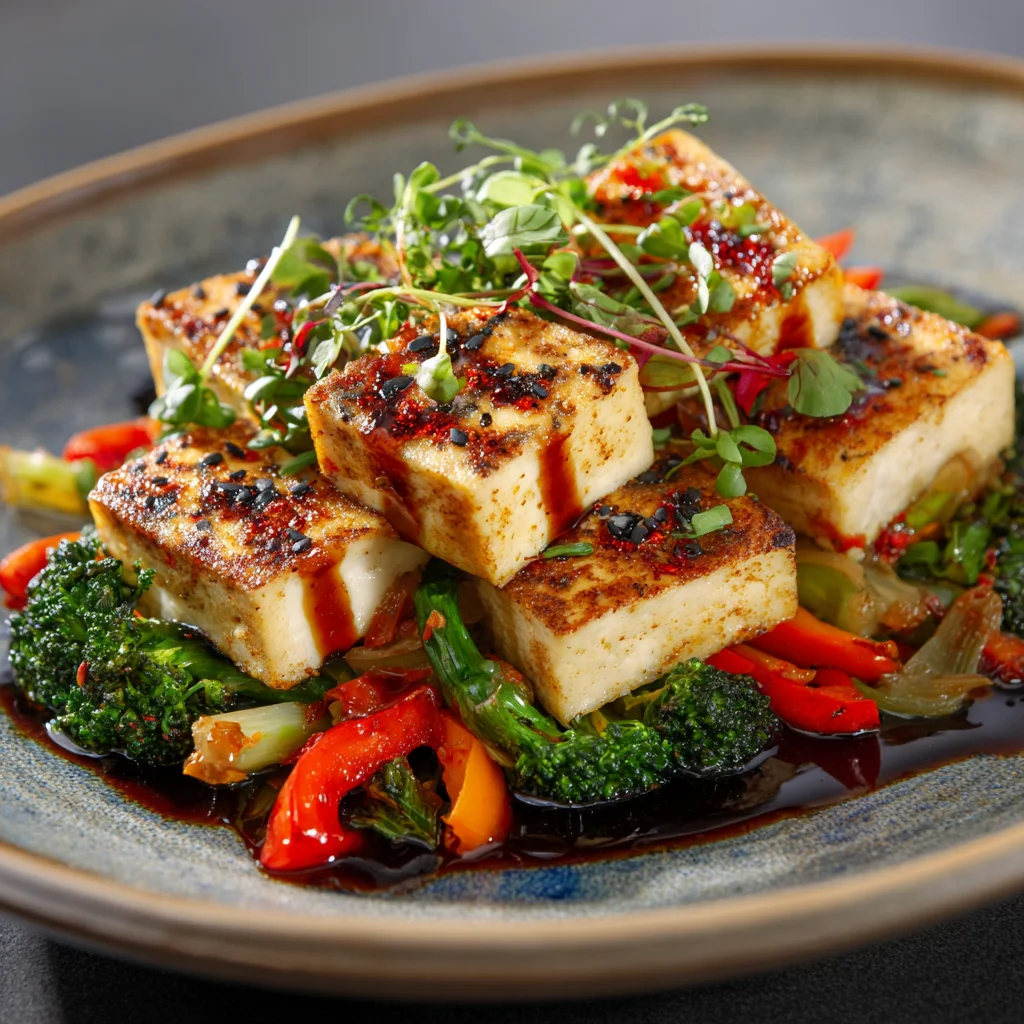
Tofu is a great source of non-heme iron, especially for people following vegetarian or vegan diets. A 1/2 cup serving of tofu contains about 3 mg of iron. Tofu also provides plant-based protein, calcium, and other vitamins and minerals.
Tofu is extremely versatile and can be used in stir-fries, salads, soups, or even grilled or baked. For best results, press tofu to remove excess moisture before cooking to ensure it absorbs flavors better.
5. Chickpeas
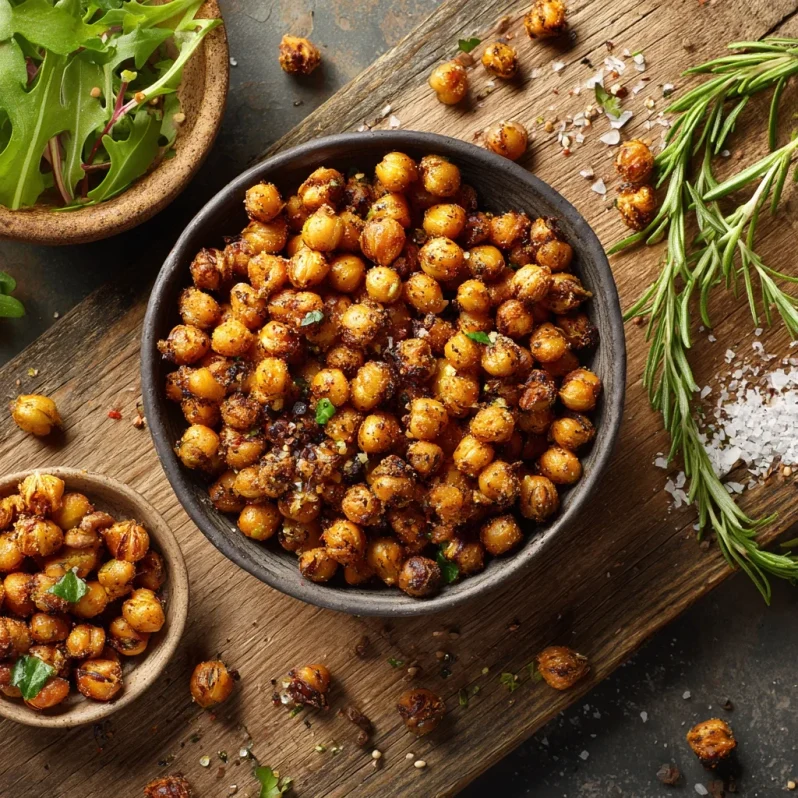
Chickpeas, also known as garbanzo beans, are rich in iron and offer a variety of health benefits. One cup of cooked chickpeas contains around 4.7 mg of iron. In addition to being high in iron, chickpeas are a good source of protein, fiber, and healthy fats.
Chickpeas can be used in a wide range of dishes, such as curries, hummus, or roasted for a crunchy snack. They also work well in salads or soups.
6. Quinoa
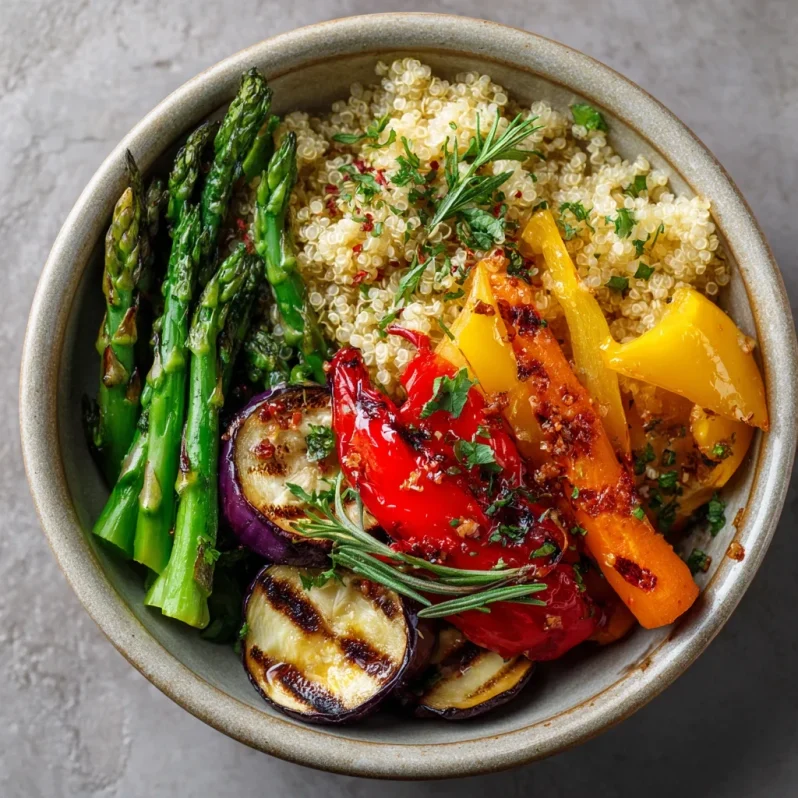
Quinoa is a nutrient-dense, gluten-free grain that contains a good amount of iron. One cup of cooked quinoa provides around 2.8 mg of iron. Quinoa is also a complete protein, meaning it contains all nine essential amino acids.
It can be used as a base for salads, served alongside vegetables, or mixed into soups and stews. You can also make quinoa porridge for breakfast for an iron-packed start to your day.
7. Pumpkin Seeds
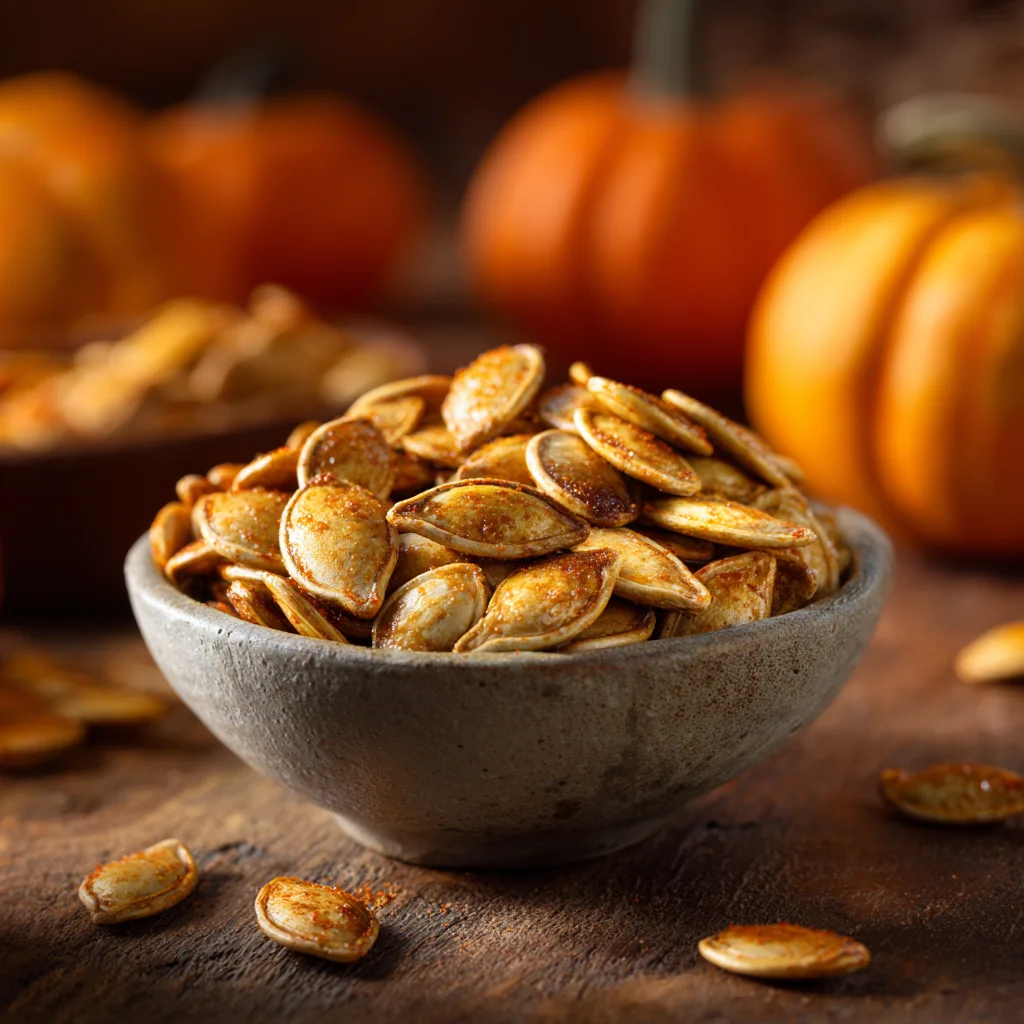
Pumpkin seeds are a great snack option that’s loaded with iron. A 1-ounce serving of pumpkin seeds provides around 2.5 mg of iron. These seeds are also high in magnesium, zinc, and omega-3 fatty acids, making them a powerhouse snack.
You can eat pumpkin seeds raw, roasted, or sprinkle them on top of salads, yogurt, or oatmeal. They also make a great addition to smoothies and granola.
8. Fortified Breakfast Cereals
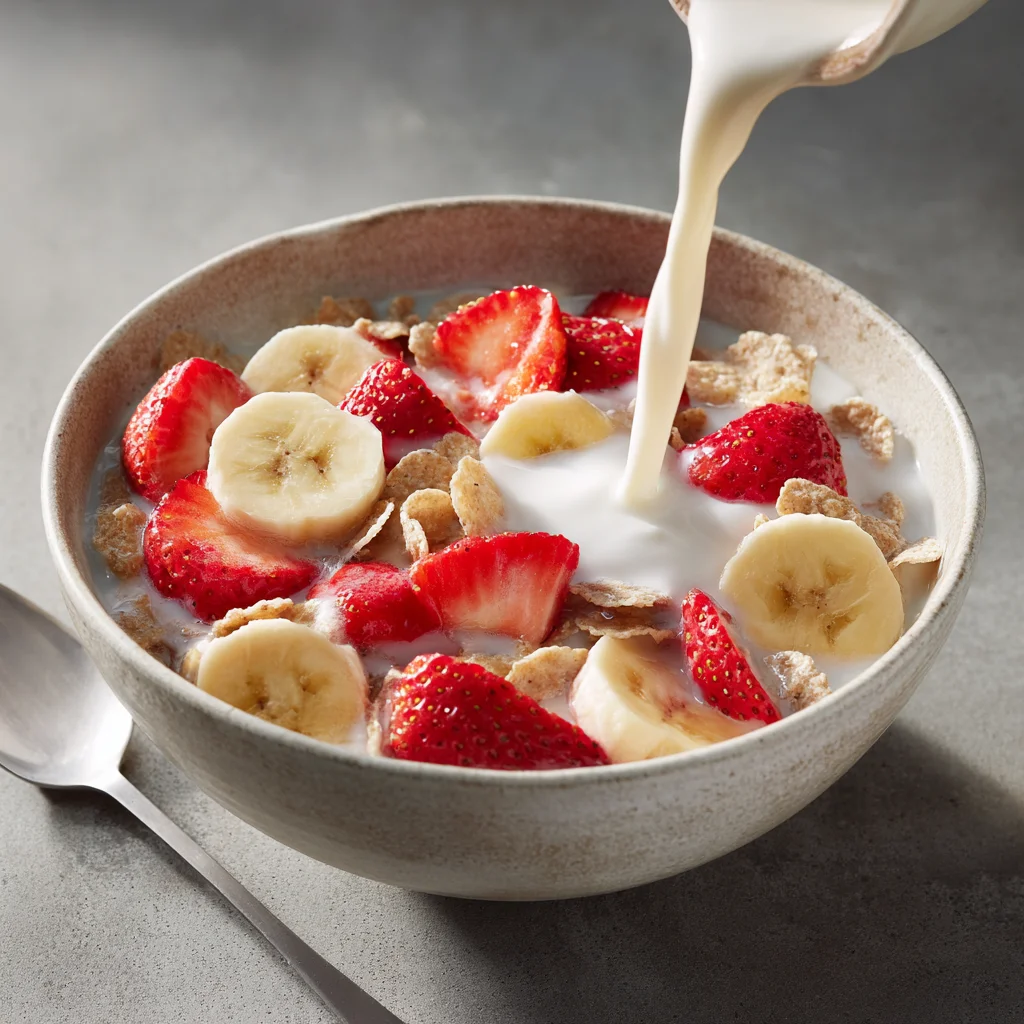
Fortified breakfast cereals are another convenient and easy way to boost your iron intake. Many cereals are enriched with iron, providing up to 18 mg of iron per serving, which is more than 100% of the daily recommended value for iron.
When choosing a fortified cereal, look for options that are high in fiber and low in sugar. Pair your cereal with milk or a plant-based alternative to further enhance iron absorption.
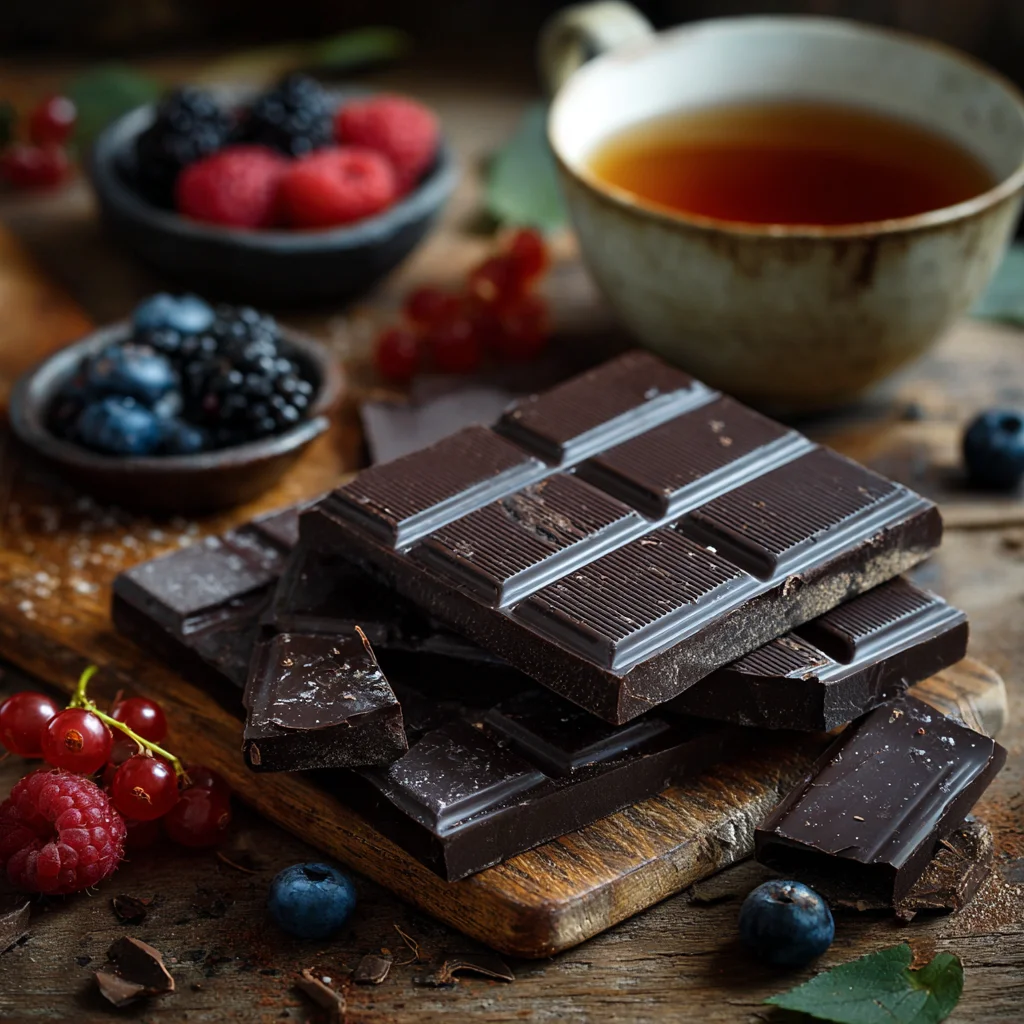
9. Dark Chocolate
Good news for chocolate lovers! Dark chocolate is not only delicious but also contains a significant amount of iron. A 3-ounce serving of dark chocolate (70-85% cocoa) provides around 3.4 mg of iron.
Dark chocolate also contains antioxidants, which are great for your health. Enjoy dark chocolate in moderation as a treat, or use it in baking or smoothies for an added boost of iron.
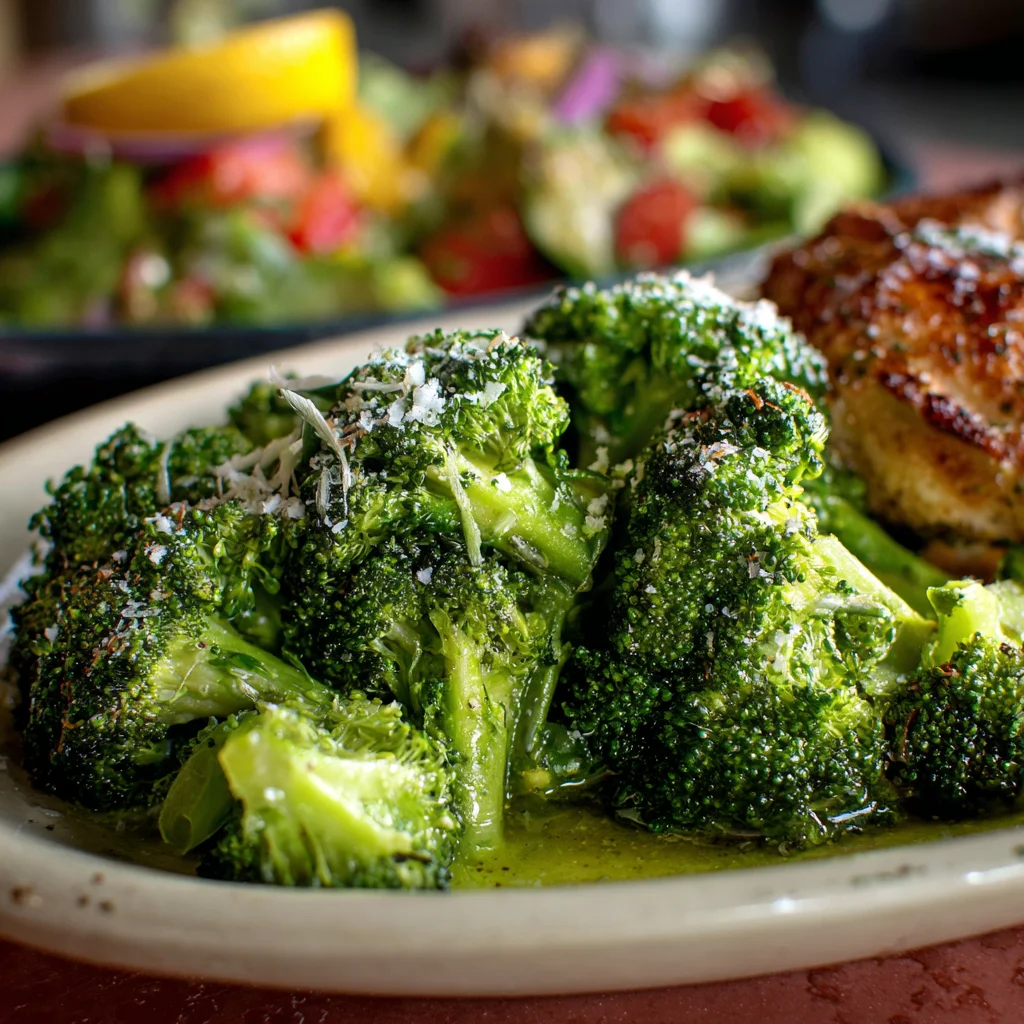
10. Broccoli
Broccoli is another vegetable that offers a surprising amount of iron. One cup of cooked broccoli contains around 1 mg of iron, making it a great choice to support your iron intake. Broccoli is also rich in vitamin C, which can help increase the absorption of non-heme iron.
You can enjoy broccoli steamed, roasted, or added to stir-fries and casseroles for a healthy, iron-packed side dish.
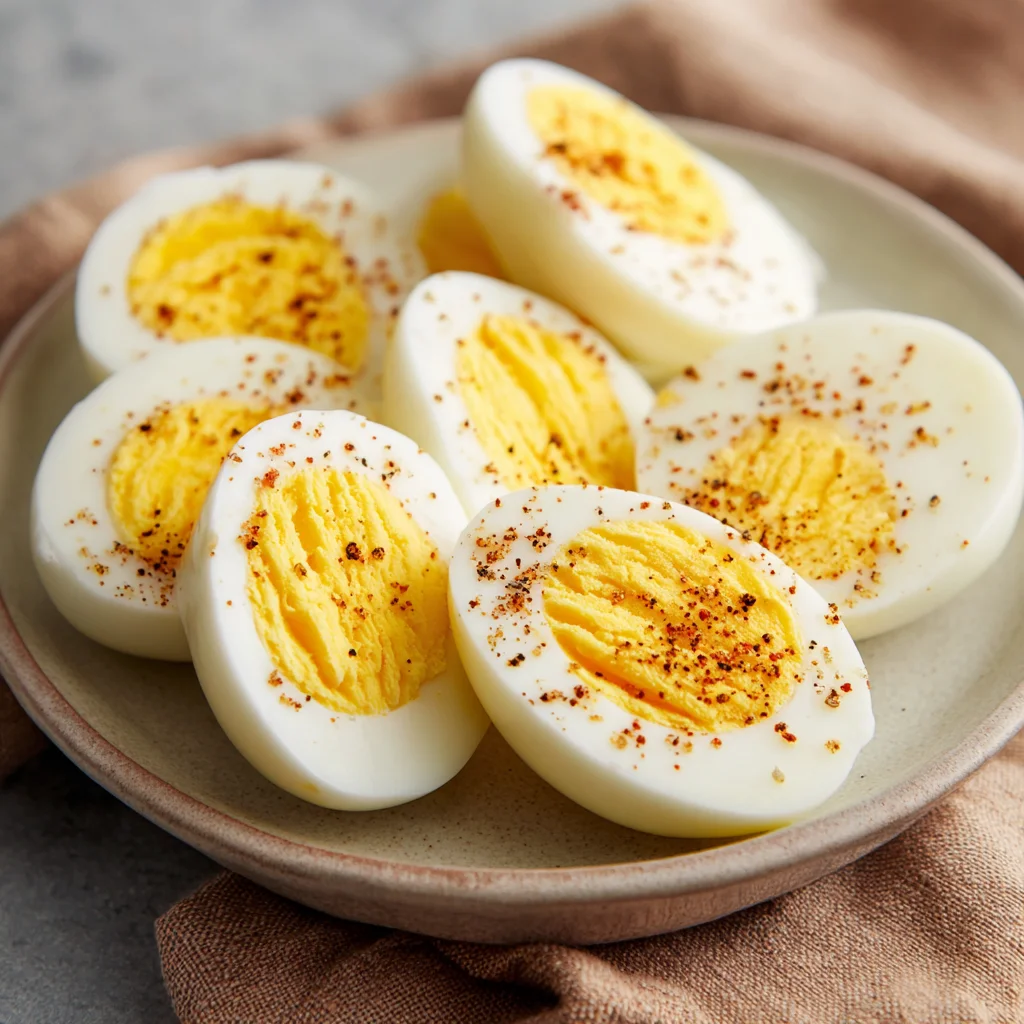
11. Eggs
Eggs are a great source of heme iron, particularly in the yolk. One large egg contains about 0.9 mg of iron. While eggs are not as high in iron as some other foods, they still provide a good amount when consumed regularly as part of a balanced diet.
Enjoy eggs scrambled, boiled, poached, or as an ingredient in omelets and frittatas to get a bit of extra iron.
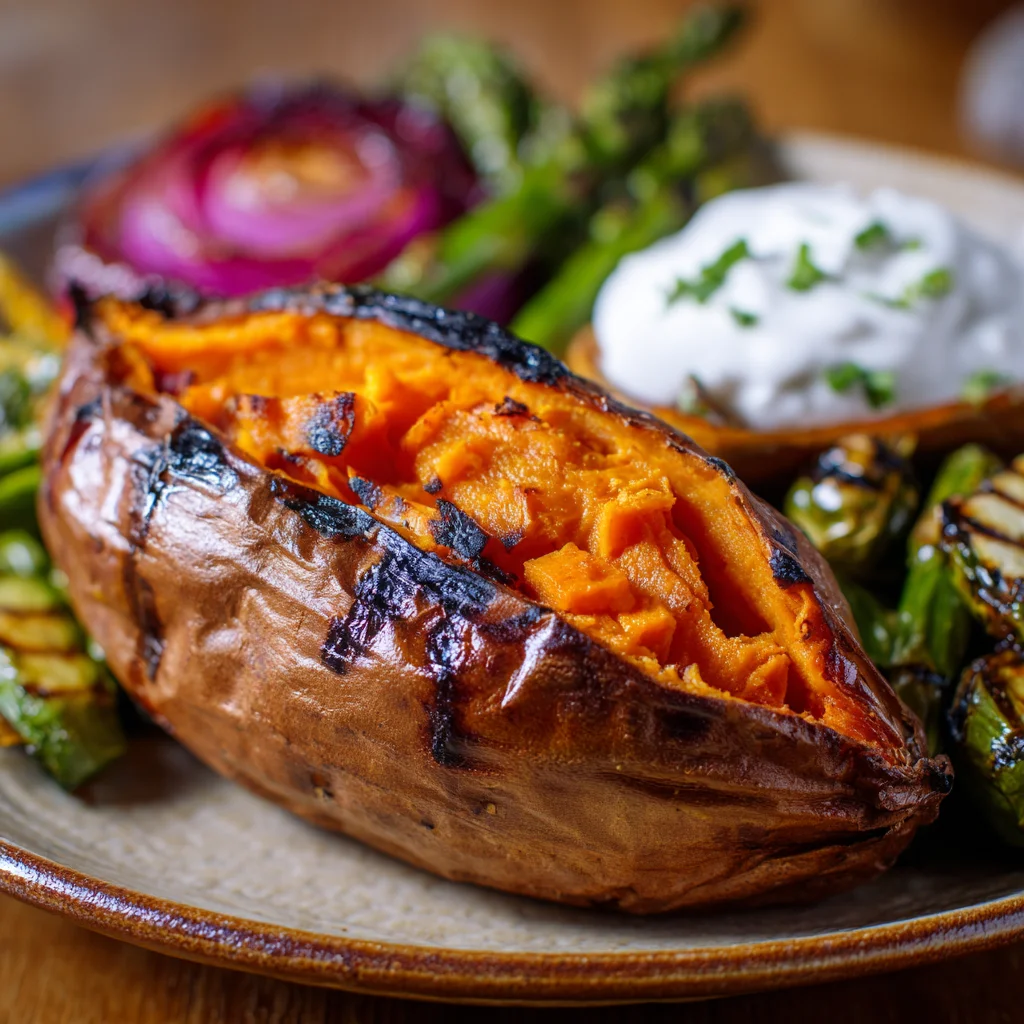
12. Sweet Potatoes
Sweet potatoes are a delicious, nutrient-dense root vegetable that provides a moderate amount of iron. One medium-sized sweet potato contains around 1.5 mg of iron. Sweet potatoes are also rich in beta-carotene, which converts to vitamin A in the body, making them a nutritious addition to any meal.
You can enjoy sweet potatoes baked, roasted, mashed, or as part of a stew or curry.
How to Boost Iron Absorption
While these foods are high in iron, there are a few things you can do to improve iron absorption:
- Pair Iron-Rich Foods with Vitamin C: Vitamin C helps the body absorb non-heme iron (found in plant-based foods). Include vitamin C-rich foods like citrus fruits, bell peppers, or tomatoes with your iron-rich meals.
- Avoid Certain Inhibitors: Foods like tea, coffee, and calcium-rich foods can interfere with iron absorption. Try to avoid consuming them with iron-rich meals to ensure maximum absorption.
Time and Serving
- Prep Time: Varies depending on the food, but most of these can be prepared quickly.
- Cook Time: Cooking time varies, with most meals taking about 15-30 minutes to prepare.
- Serving Size: One serving of these foods should provide a good portion of your daily iron intake.
Storage and Leftovers
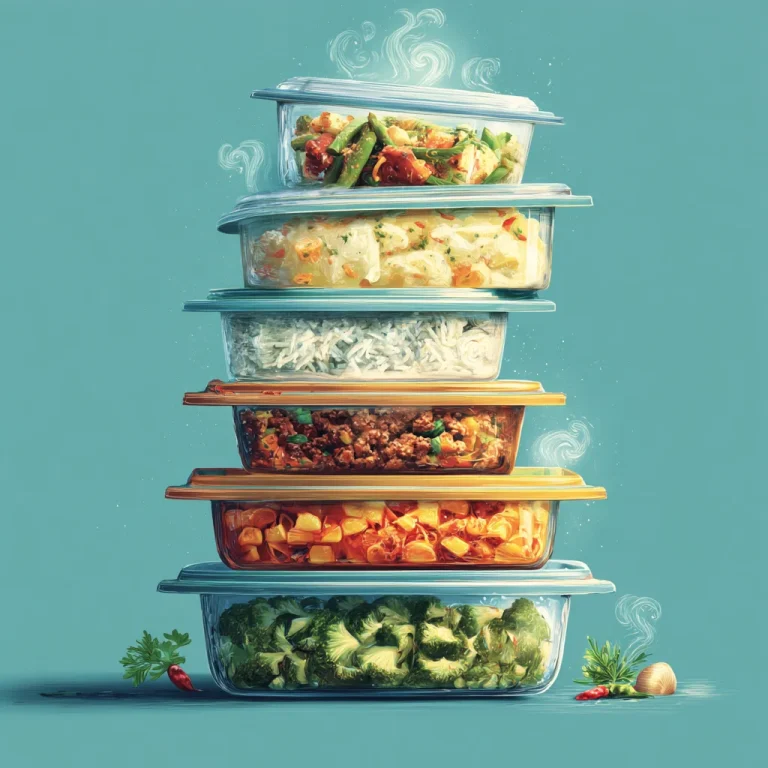
- Refrigeration: Store cooked iron-rich foods like quinoa, lentils, and chickpeas in an airtight container in the refrigerator for up to 4-5 days.
- Freezing: Many of these foods (like lentils, chickpeas, and spinach) can be frozen for up to 3 months. Simply portion them out in freezer-safe containers.
Nutritional Breakdown (Per Serving)
- Calories: Varies depending on the food, but typically 150-250 kcal per serving.
- Protein: Typically 7-10g per serving.
- Carbohydrates: 20-30g per serving.
- Fat: 5-15g per serving (depending on the food).
FAQs About Iron-Rich Foods
1. How can I get more iron in my diet?
Incorporate more iron-rich foods like spinach, lentils, red meat, and quinoa into your meals. Pair them with vitamin C-rich foods to boost iron absorption.
2. Can iron supplements replace iron-rich foods?
While iron supplements can help, it’s always better to get nutrients from whole foods, which provide other beneficial vitamins and minerals.
3. Are there any foods that inhibit iron absorption?
Yes, foods like tea, coffee, and calcium-rich foods can inhibit iron absorption. Try to avoid them during iron-rich meals.
4. Can I get enough iron on a vegetarian or vegan diet?
Yes, there are plenty of plant-based sources of iron, such as lentils, spinach, quinoa, and tofu. Just make sure to pair them with vitamin C to enhance absorption.
Conclusion
With these 12 iron-rich foods, you can easily boost your iron intake and maintain healthy iron levels. Whether you enjoy hearty meats, plant-based dishes, or both, these foods provide a variety of options to keep your meals exciting while supporting your health.