

Top 23 Protein-Rich Foods to Boost Your Health and Fitness – You Must Try
Protein is one of the most important macronutrients for our bodies. It helps in building and repairing tissues, making enzymes and hormones, and supporting overall growth and development. Whether you’re building muscle, recovering from illness, or just maintaining a healthy body, getting enough protein is crucial.
Protein-rich foods also provide essential nutrients, such as vitamins, minerals, and healthy fats. These foods can come from both animal and plant sources. This article will discuss several foods that are rich in protein and their health benefits.
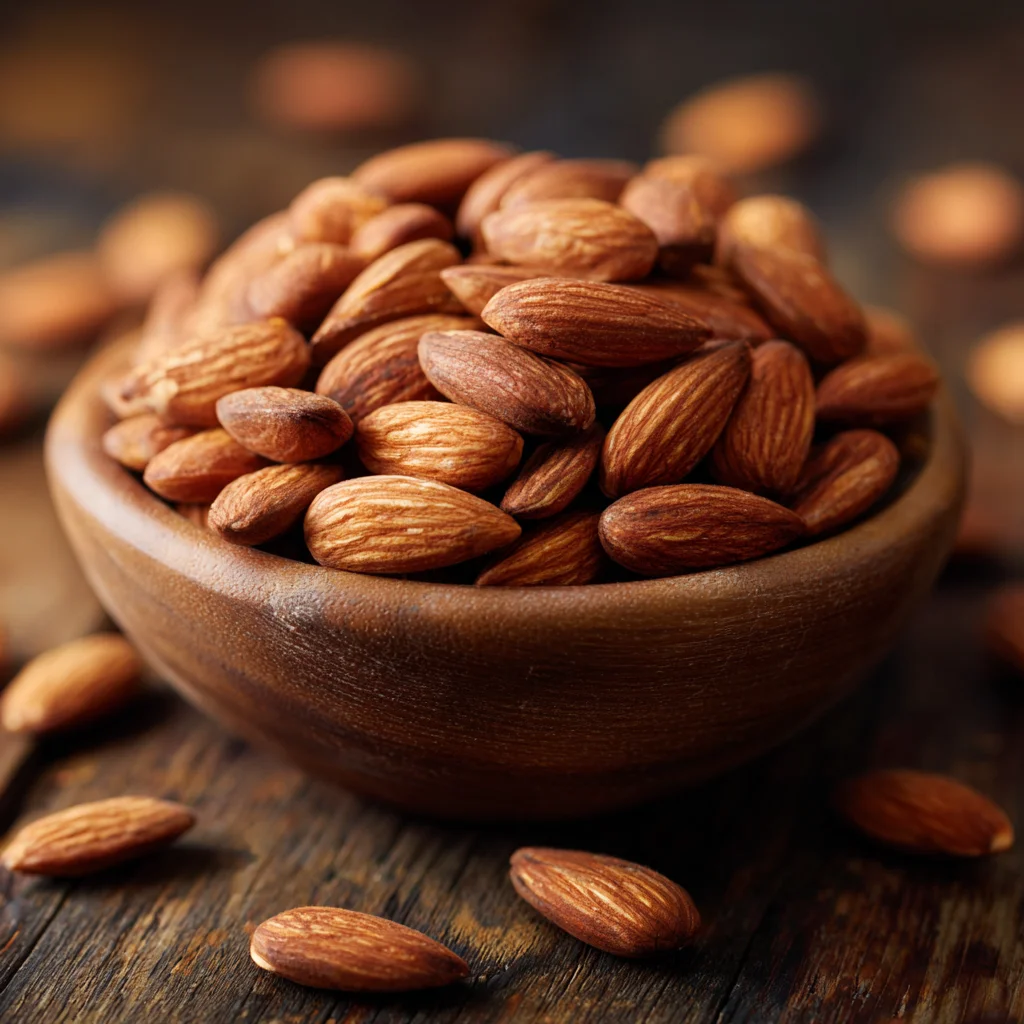
1. Almonds
- Protein Content: 6 grams per ounce (28 grams).
- Health Benefits: Almonds are not just packed with protein but also contain healthy fats, fiber, and vitamin E. They promote heart health, improve brain function, and help with weight management. Regular consumption of almonds can lower the risk of heart disease.
- How to Add Them: Snack on them as is, or add them to salads, oatmeal, or smoothies.
2. Black Beans
- Protein Content: 8 grams per half-cup (cooked).
- Health Benefits: Black beans are a great source of protein for vegetarians and vegans. They’re high in fiber, which aids digestion, and they’re packed with antioxidants and iron. Eating black beans can help maintain a healthy digestive system and regulate blood sugar levels.
- How to Add Them: Add black beans to soups, salads, or make a delicious black bean dip.

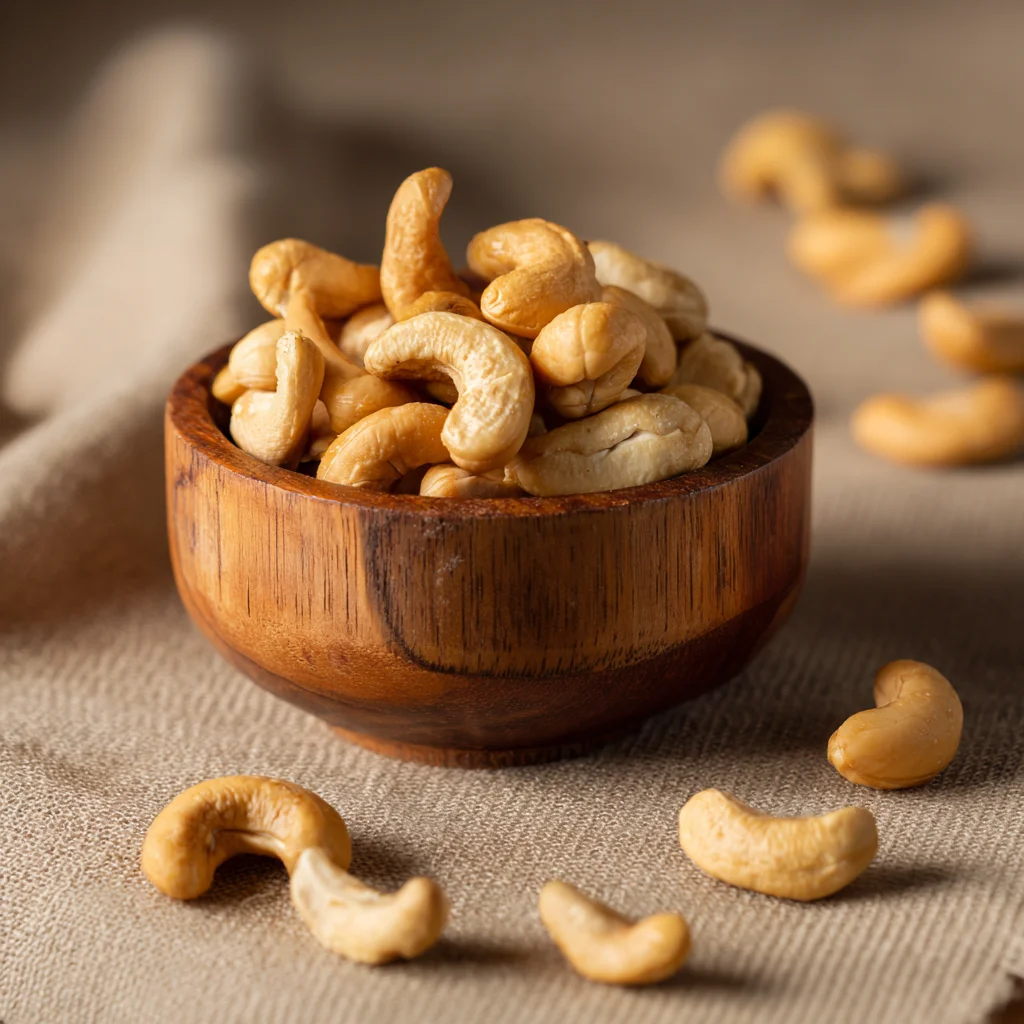
3. Cashews
- Protein Content: 5 grams per ounce (28 grams).
- Health Benefits: Cashews are a source of protein and healthy fats. They are rich in magnesium, copper, and iron, which support energy production, bone health, and the immune system. Cashews are also good for heart health, reducing bad cholesterol levels.
- How to Add Them: Use cashews in salads, make nut butter, or add them to smoothies for a creamy texture.
4. Cheese
- Protein Content: About 7 grams per ounce (cheddar cheese).
- Health Benefits: Cheese is packed with protein, calcium, and vitamin B12. It helps in muscle repair, improves bone health, and supports the immune system. However, it’s high in fat, so it’s best to consume in moderation.
- How to Add Them: Eat cheese with crackers, add it to pasta dishes, or sprinkle it over salads.

5. Chicken
- Protein Content: 25-30 grams per 3.5 ounces (100 grams) of cooked chicken breast.
- Health Benefits: Chicken is an excellent source of lean protein. It’s low in fat, particularly if you choose chicken breast. It also provides vitamins and minerals like niacin and vitamin B6, which are important for energy production and metabolism.
- How to Add Them: Grill, bake, or sauté chicken. Add it to salads, wraps, or sandwiches.

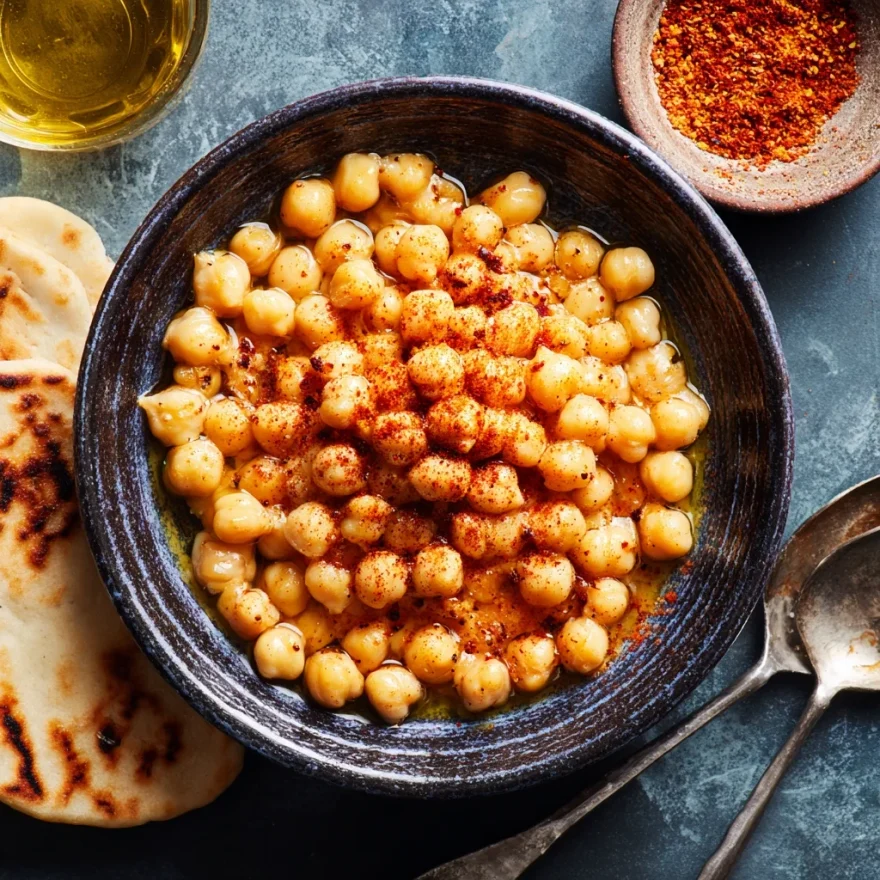
6. Chickpeas
- Protein Content: 7-8 grams per half-cup (cooked).
- Health Benefits: Chickpeas are rich in protein and fiber, which help regulate digestion and blood sugar levels. They are also a great source of iron, folate, and manganese. Including chickpeas in your diet can reduce the risk of heart disease and help with weight management.
- How to Add Them: Make hummus, add them to stews, or toss them in a salad.
7. Cottage Cheese
- Protein Content: 14 grams per half-cup (low-fat).
- Health Benefits: Cottage cheese is rich in casein protein, which is slow-digesting. It helps with muscle repair and provides a steady release of protein. It’s also low in fat and an excellent source of calcium for bone health.
- How to Add Them: Enjoy cottage cheese on its own, with fruit, or mix it into savory dishes like lasagna or casseroles.

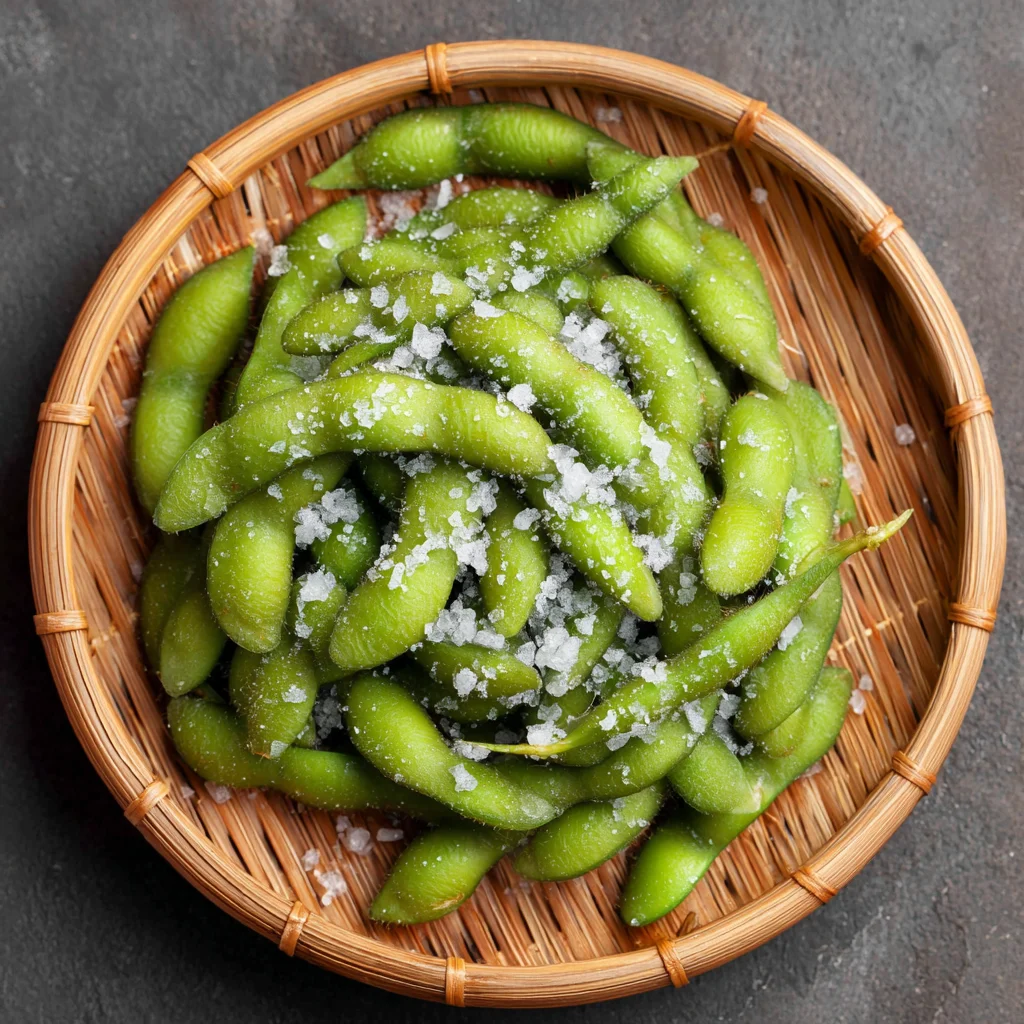
8. Edamame
- Protein Content: 17 grams per cup (cooked).
- Health Benefits: Edamame, or young soybeans, are packed with protein and fiber. They also contain a range of vitamins and minerals, including folate, iron, and magnesium. Edamame is beneficial for heart health, muscle recovery, and supporting the immune system.
- How to Add Them: Serve edamame as a snack or toss them into salads and stir-fries.
If you’re looking to boost your fiber intake alongside protein, check out this list of 10 foods high in fiber that complement your protein-rich meals.
9. Eggs
- Protein Content: 6 grams per large egg.
- Health Benefits: Eggs are a high-quality source of protein, containing all nine essential amino acids. They are also rich in vitamins such as B12, vitamin D, and choline. Eggs promote brain health, muscle growth, and eye health.
- How to Add Them: Enjoy eggs scrambled, boiled, or fried. You can also add them to salads or bake them into dishes like quiches.

10. Greek Yogurt
- Protein Content: 10-20 grams per 6-ounce serving.
- Health Benefits: Greek yogurt is rich in protein, probiotics, and calcium. The probiotics support gut health, while the protein helps in muscle recovery and repair. Greek yogurt is also lower in sugar compared to regular yogurt, making it a healthier option.
- How to Add Them: Add Greek yogurt to smoothies, mix it with fruit, or enjoy it as a dessert with a drizzle of honey.

11. Haddock
- Protein Content: 20 grams per 3.5 ounces (100 grams).
- Health Benefits: Haddock is a lean fish, rich in protein and low in fat. It’s also a great source of omega-3 fatty acids, which support heart health, reduce inflammation, and improve brain function.
- How to Add Them: Grill, bake, or steam haddock. Serve with vegetables or in a fish taco.

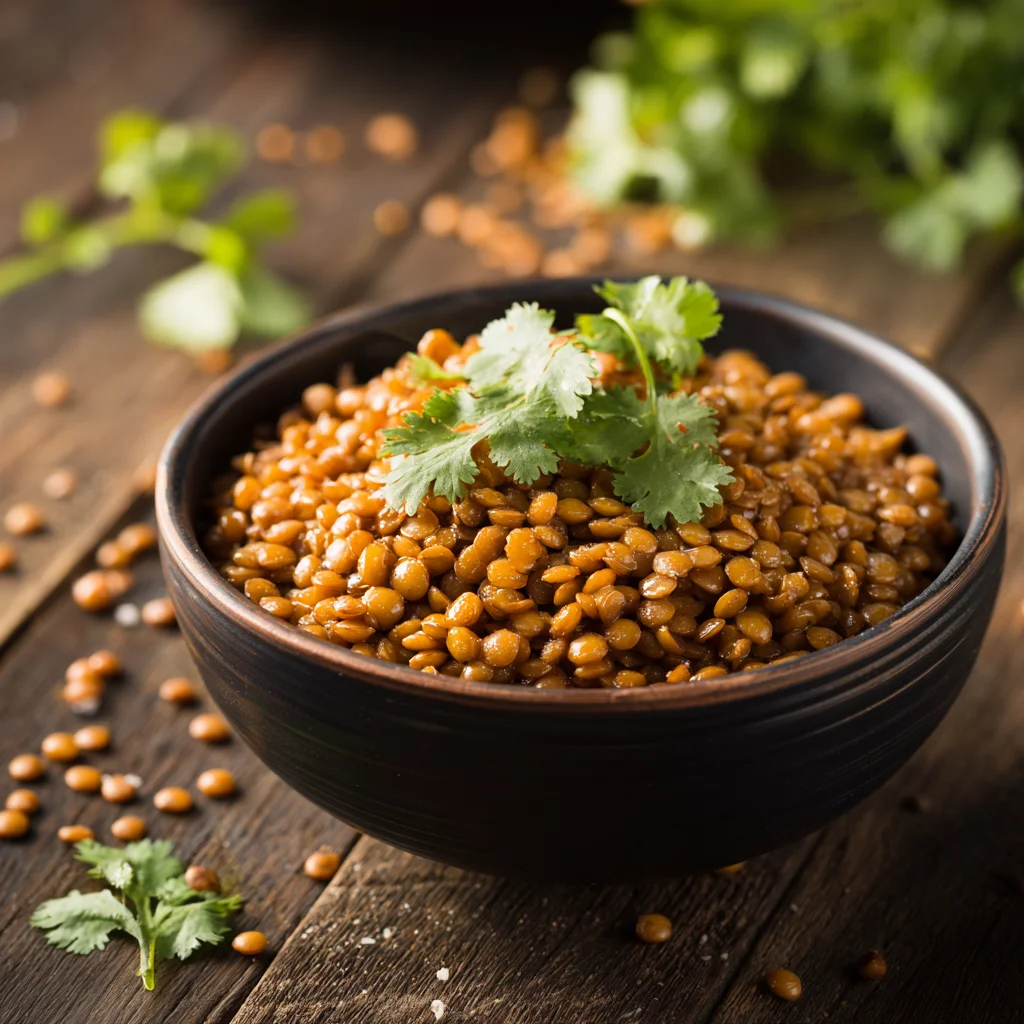
12. Lentils
- Protein Content: 9 grams per half-cup (cooked).
- Health Benefits: Lentils are an excellent plant-based protein source. They are also high in fiber, iron, and folate. Lentils help regulate blood sugar levels, support digestive health, and provide long-lasting energy.
- How to Add Them: Add lentils to soups, stews, or salads for a filling, protein-rich meal.
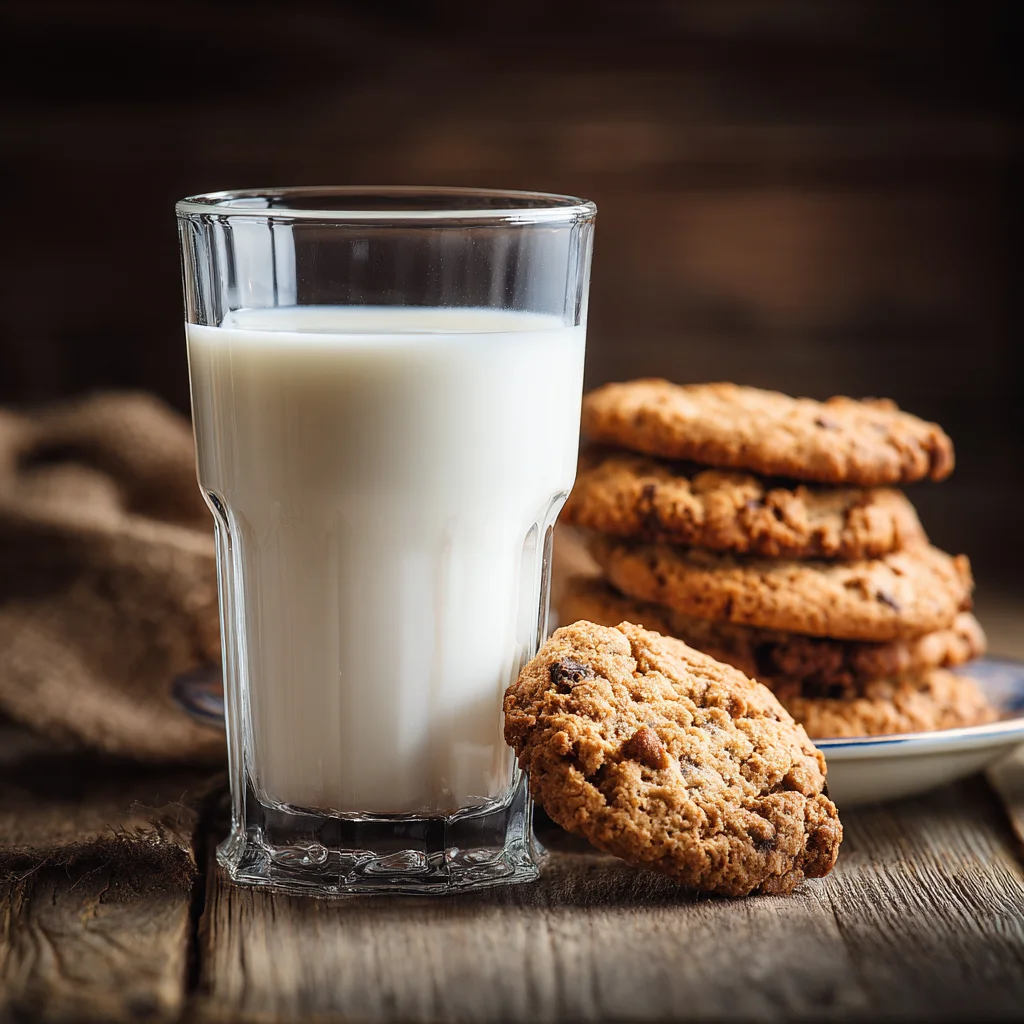
13. Milk
- Protein Content: 8 grams per cup.
- Health Benefits: Milk is a great source of protein, calcium, and vitamin D. It helps build and repair muscles, strengthens bones, and supports overall growth.
- How to Add Them: Drink it on its own, or add it to smoothies, coffee, or cereal.
14. Peanut Butter
- Protein Content: 8 grams per 2 tablespoons.
- Health Benefits: Peanut butter is packed with protein and healthy fats. It is a great option for energy and muscle growth. Peanut butter is also rich in vitamins E and B3, which promote heart health.
- How to Add Them: Spread it on toast, add it to smoothies, or dip fruits like apples or bananas in it.

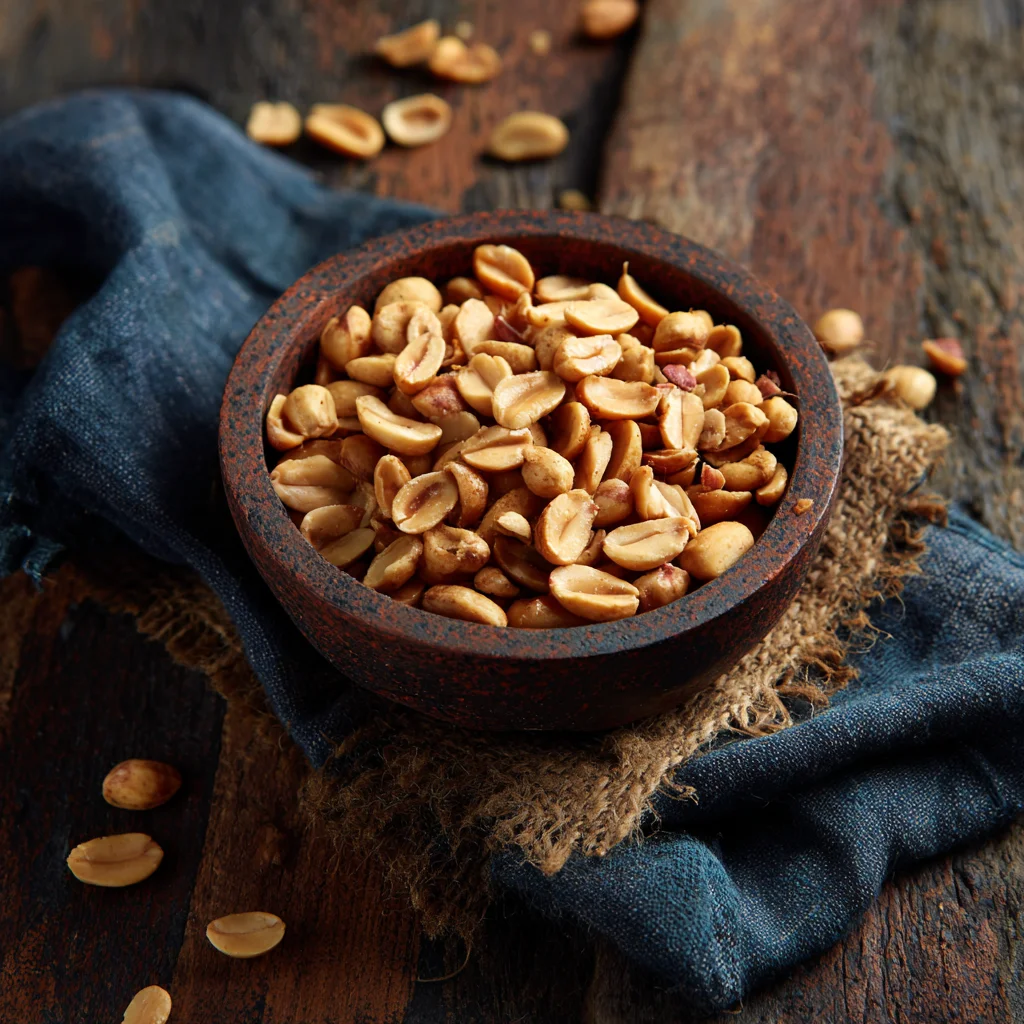
15. Peanuts
- Protein Content: 7 grams per ounce (28 grams).
- Health Benefits: Peanuts are rich in protein and healthy fats, providing long-lasting energy. They help support heart health and are packed with antioxidants.
- How to Add Them: Enjoy them as a snack or add them to salads and trail mixes.
16. Quinoa
- Protein Content: 8 grams per cup (cooked).
- Health Benefits: Quinoa is a complete protein, meaning it contains all nine essential amino acids. It’s also rich in fiber, iron, and magnesium, which support heart health and energy levels.
- How to Add Them: Use quinoa as a base for salads, bowls, or as a side dish with vegetables.

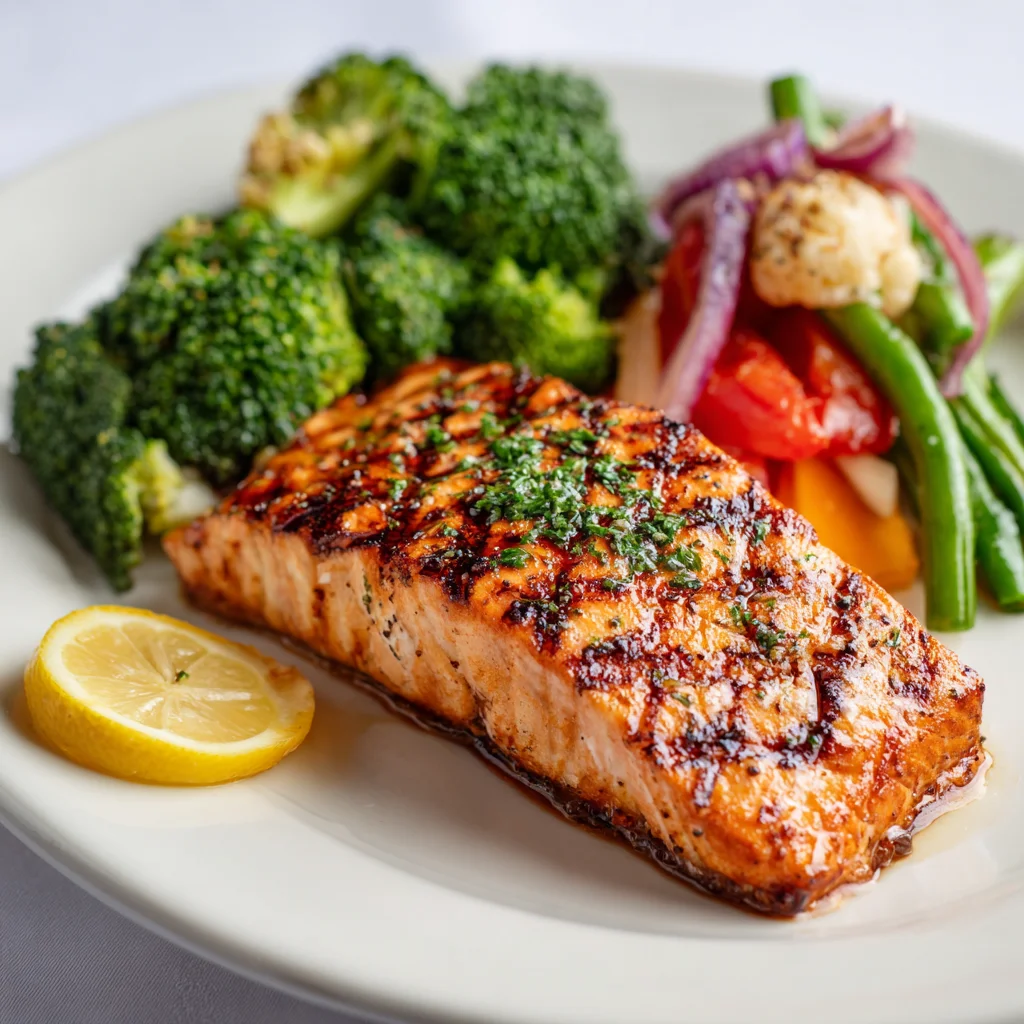
17. Salmon
- Protein Content: 22 grams per 3.5 ounces (100 grams).
- Health Benefits: Salmon is high in protein and omega-3 fatty acids, which are important for heart health. It’s also rich in B vitamins, selenium, and vitamin D.
- How to Add Them: Grill, bake, or pan-sear salmon. Serve it with steamed vegetables or quinoa.
18. Tofu
- Protein Content: 8 grams per 3.5 ounces (100 grams).
- Health Benefits: Tofu is made from soybeans and is an excellent plant-based protein source. It is low in calories and can be used in a variety of dishes. Tofu supports heart health and muscle building.
- How to Add Them: Stir-fry tofu, add it to soups, or use it in smoothies.

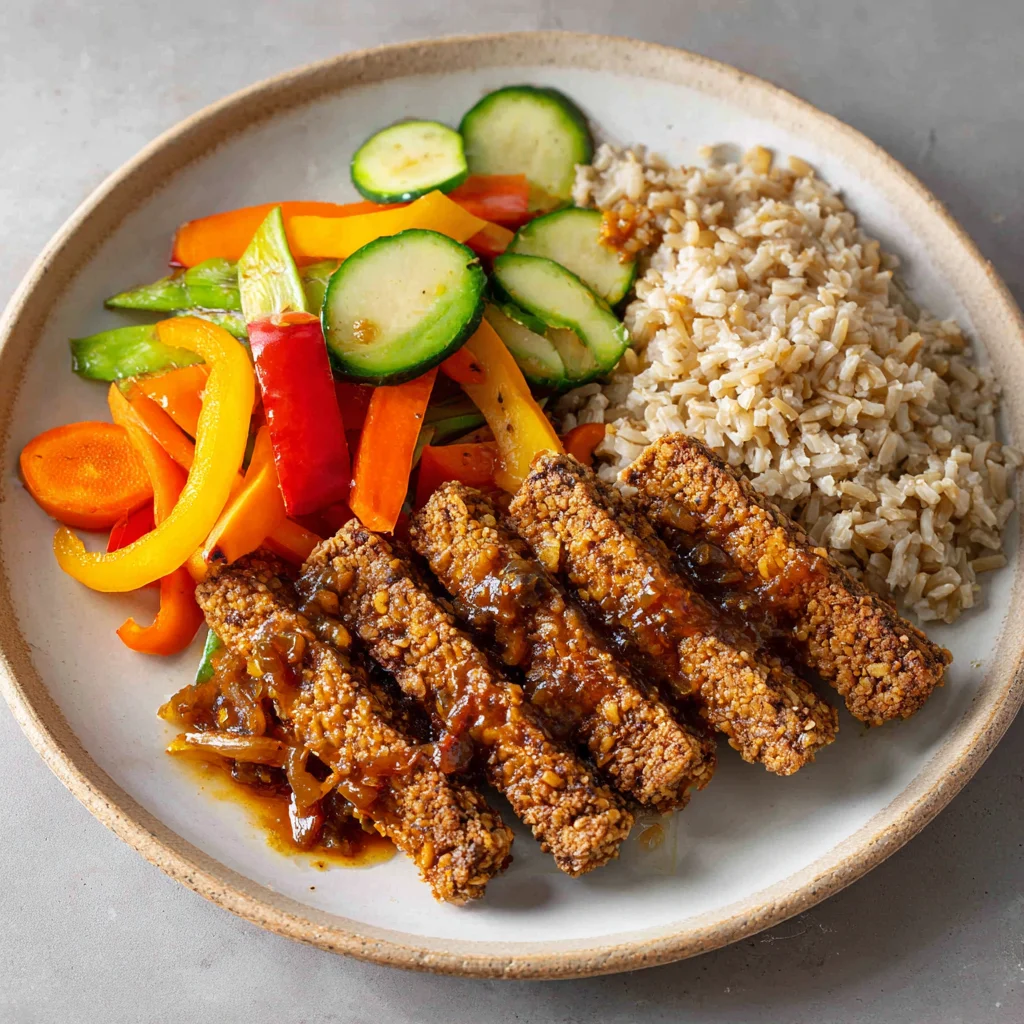
19. Tempeh
- Protein Content: 15 grams per 3.5 ounces (100 grams).
- Health Benefits: Tempeh is a fermented soy product that is rich in protein, probiotics, and fiber. It is great for digestion and offers a more solid texture than tofu.
- How to Add Them: Add tempeh to stir-fries, sandwiches, or salads.
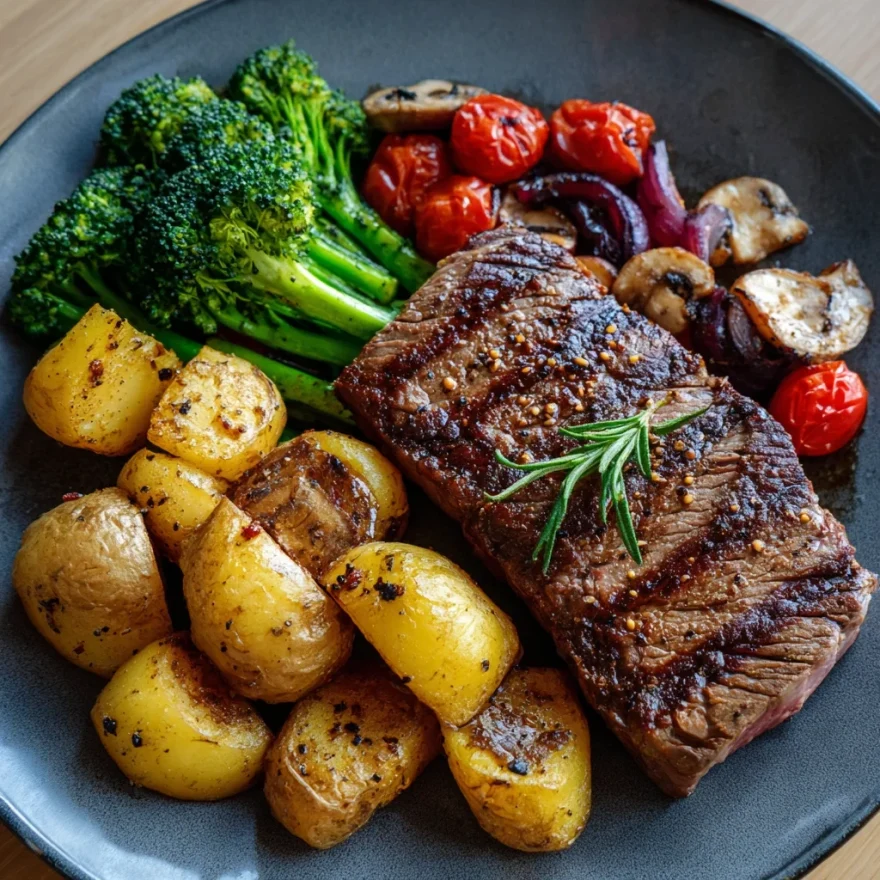
20. Beef
- Protein Content: 22 grams per 3.5 ounces (100 grams).
- Health Benefits: Beef is rich in protein and provides essential nutrients like iron, zinc, and B vitamins. It’s great for muscle growth and energy production.
- How to Add Them: Grill or sear beef for steaks, use it in burgers, or add it to stews.
21. Tuna
- Protein Content: 20 grams per 3.5 ounces (100 grams).
- Health Benefits: Tuna is an excellent source of protein and omega-3 fatty acids. It’s great for heart health and muscle recovery.
- How to Add Them: Add tuna to salads, sandwiches, or pasta dishes.

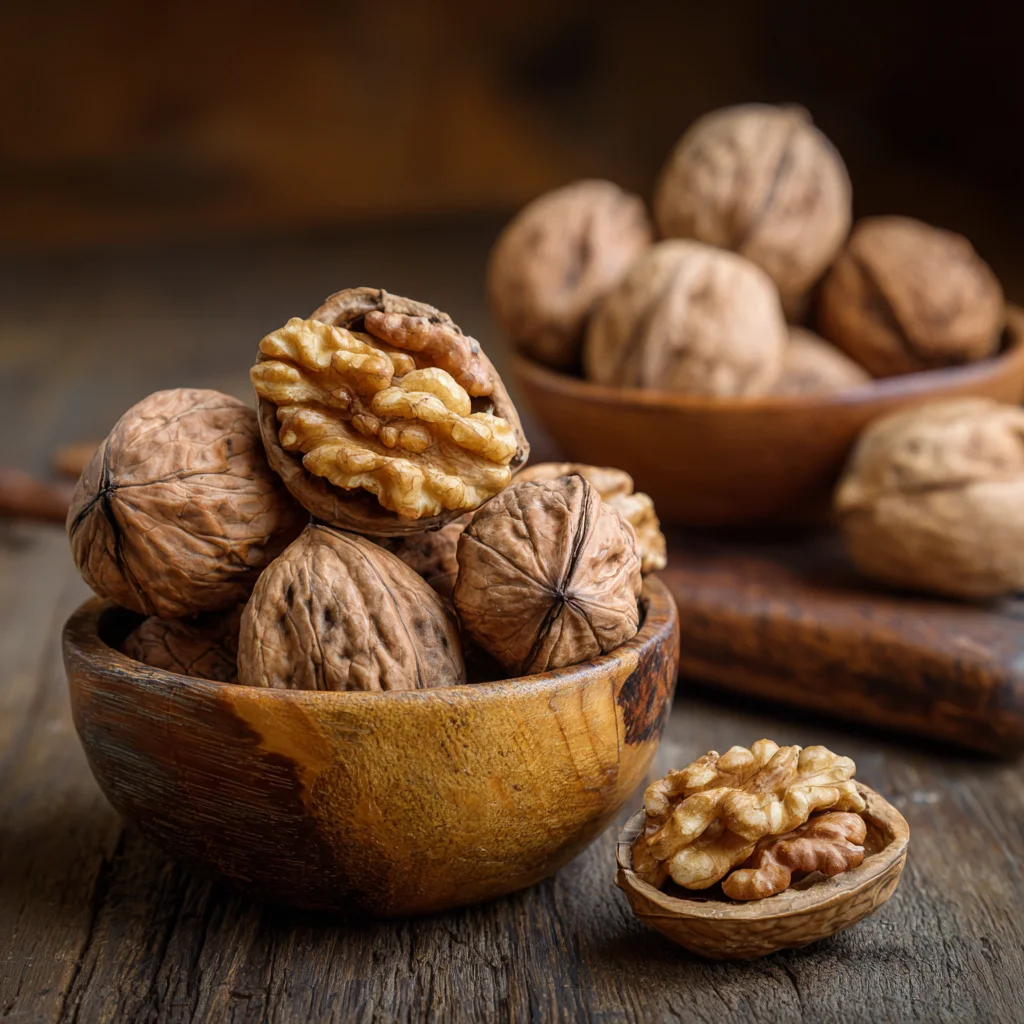
22. Walnuts
- Protein Content: 4 grams per ounce (28 grams).
- Health Benefits: Walnuts are packed with protein, healthy fats, and antioxidants. They help reduce inflammation and improve brain function.
- How to Add Them: Snack on them or add them to oatmeal, salads, or baked goods.
23. Turkey
- Protein Content: 25 grams per 3.5 ounces (100 grams) of cooked turkey breast.
- Health Benefits: Turkey is a lean protein source that is low in fat. It’s high in B vitamins, particularly niacin, which supports energy production and metabolism.
- How to Add Them: Roast turkey breast, or use it in sandwiches, salads, or wraps.