
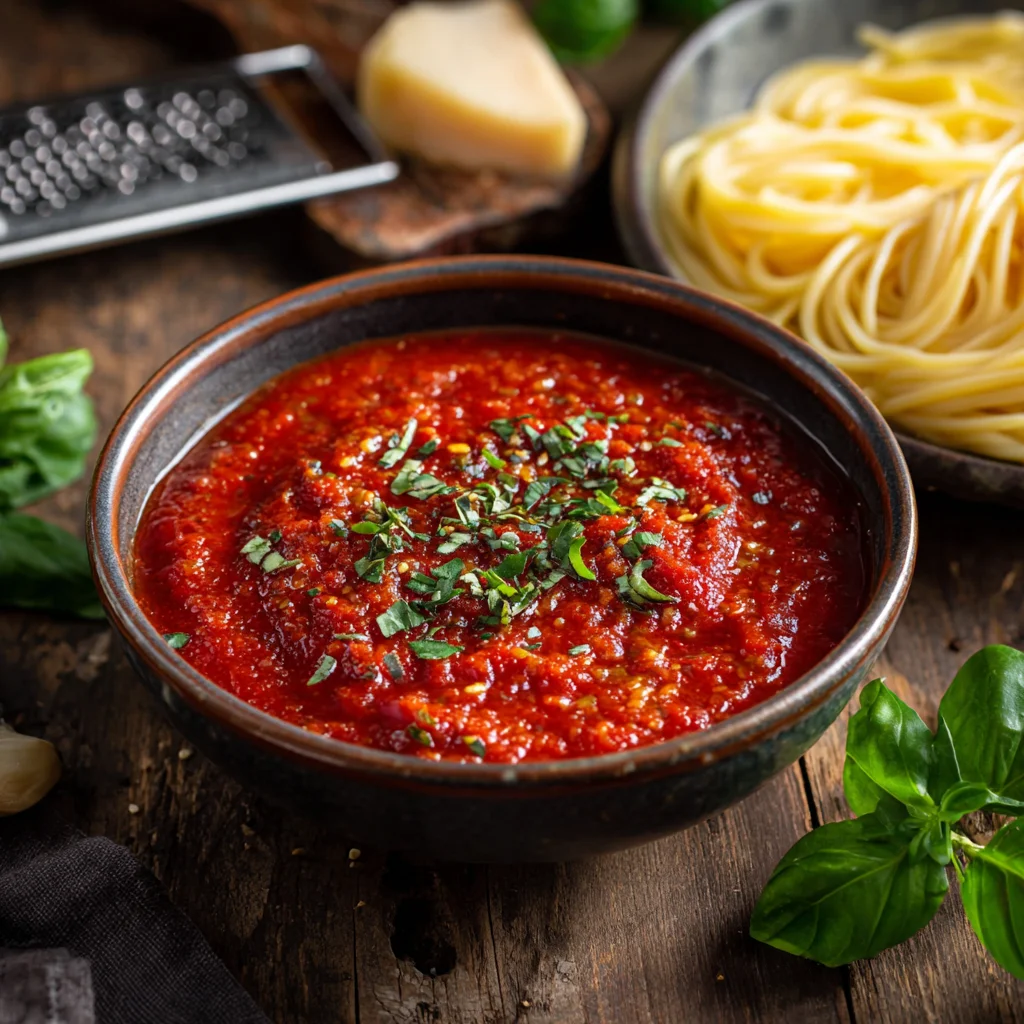
Marinara Sauce Recipe: The Classic Italian Sauce for Every Meal
A rich, flavorful marinara sauce is a quintessential component of Italian cuisine. Whether you’re tossing it with pasta, using it as a base for pizza, or dipping crispy breadsticks into it, marinara sauce is one of the most versatile and beloved sauces worldwide. Making your own marinara sauce at home is surprisingly easy and offers a fresh, authentic taste that store-bought varieties just can’t match. In this article, we’ll walk you through the steps of creating your own marinara sauce, from scratch, that will leave you coming back for more.
Ingredients
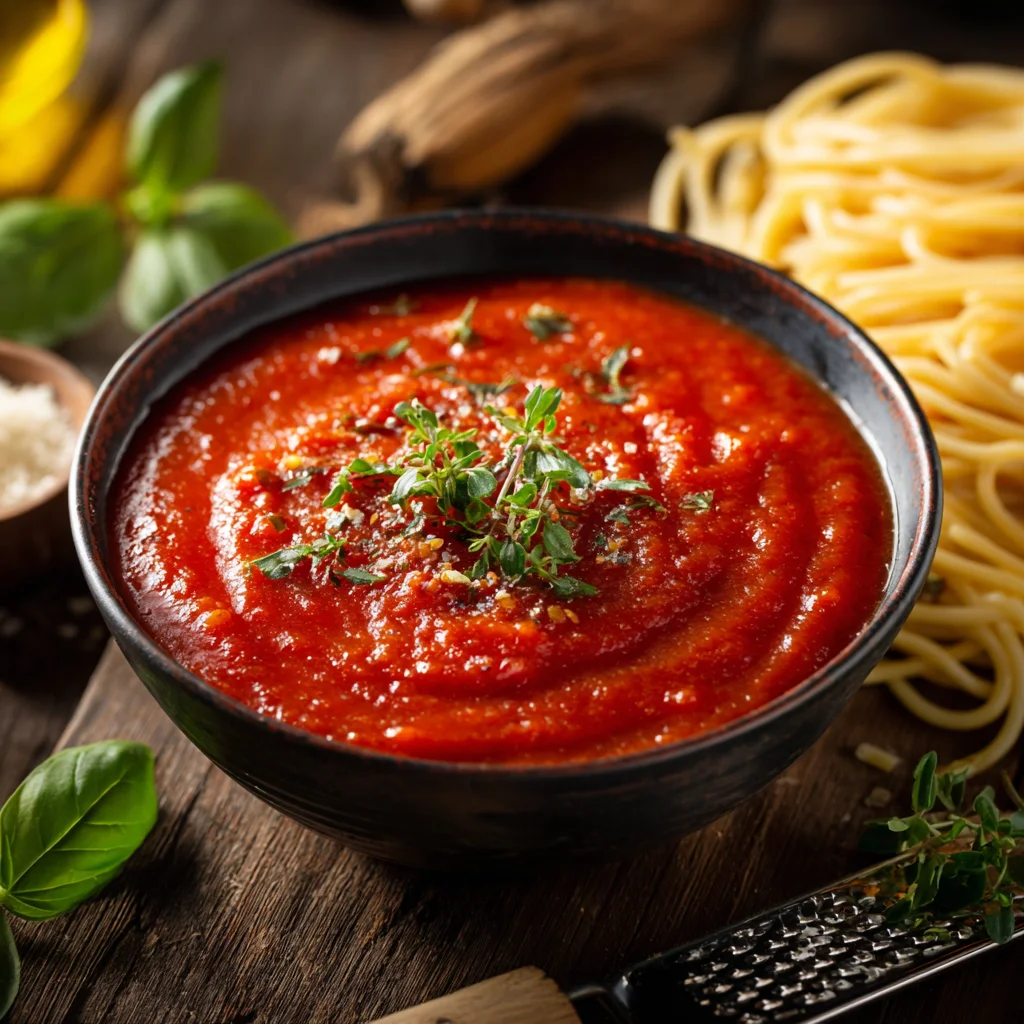
To make a traditional marinara sauce, you don’t need many ingredients—just a handful of simple, fresh items. Here’s what you’ll need:
- 1 can (28 oz) crushed tomatoes (or whole tomatoes, crushed by hand or with a blender)
- 2 tablespoons olive oil
- 4 cloves garlic, minced
- 1 small onion, finely chopped
- 1 teaspoon dried oregano
- 1 teaspoon dried basil
- 1/2 teaspoon red pepper flakes (optional for a little heat)
- 1 teaspoon sugar (to balance acidity)
- Salt and pepper, to taste
- 1/4 cup fresh parsley or basil, chopped (optional, for garnish)
This simple combination of ingredients results in a flavorful, rich marinara that can be customized to your preferences.
Instructions:
- Sauté the Aromatics
Heat the olive oil in a large saucepan over medium heat. Once the oil is hot, add the chopped onion and sauté for about 3-4 minutes, until softened. Then, add the minced garlic and cook for an additional 1-2 minutes, being careful not to let it burn. The garlic should become fragrant but not brown. - Add the Tomatoes and Seasoning
Next, add your crushed tomatoes (or blended whole tomatoes) to the pan. Stir everything together, breaking up any large chunks of tomato with your spoon. Stir in the oregano, basil, red pepper flakes (if using), and sugar. Season with salt and pepper to taste. - Simmer and Let the Flavors Meld
Bring the sauce to a simmer over low heat. Allow it to cook for 20-30 minutes, stirring occasionally. As it simmers, the sauce will thicken, and the flavors will meld together. Taste the sauce halfway through and adjust the seasoning if necessary, adding more salt, pepper, or herbs to suit your taste. - Finish and Serve
Once the marinara sauce has thickened and developed a deep, rich flavor, remove it from the heat. If you like a smoother texture, you can blend it with an immersion blender or transfer it to a regular blender and blend until smooth. Garnish with fresh basil or parsley, and it’s ready to serve!
Recipe Notes:
- Tomato Variations: If you prefer a chunkier sauce, use diced tomatoes instead of crushed tomatoes. You can also use fresh tomatoes if they’re in season, but canned tomatoes often provide a more consistent flavor.
- Herb Substitutions: If you don’t have dried basil or oregano, fresh herbs work just as well. You may need to use more fresh herbs since they are less concentrated than dried ones.
- Vegan Marinara Sauce: This recipe is naturally vegan and free of dairy, making it perfect for plant-based diets.
Time and Serving
- Prep Time: 10 minutes
- Cook Time: 30 minutes
- Total Time: 40 minutes
- Servings: This recipe yields about 4 cups of marinara sauce, which is enough for 4-6 servings of pasta or pizza.
How to Serve
Marinara sauce is incredibly versatile. Here are some of the most popular ways to serve it:
- With Pasta: Toss it with your favorite pasta, whether it’s spaghetti, penne, or rigatoni. Add freshly grated Parmesan and a sprinkle of fresh basil for a complete dish.
- On Pizza: Use it as the base sauce for pizza. Spread a thin layer on pizza dough before adding your toppings and baking.
- As a Dip: Serve it as a dipping sauce for garlic bread, mozzarella sticks, or fried calamari.
- In Lasagna: Layer marinara sauce with ricotta, mozzarella, and pasta for a classic homemade lasagna.
Kitchen Tools Needed
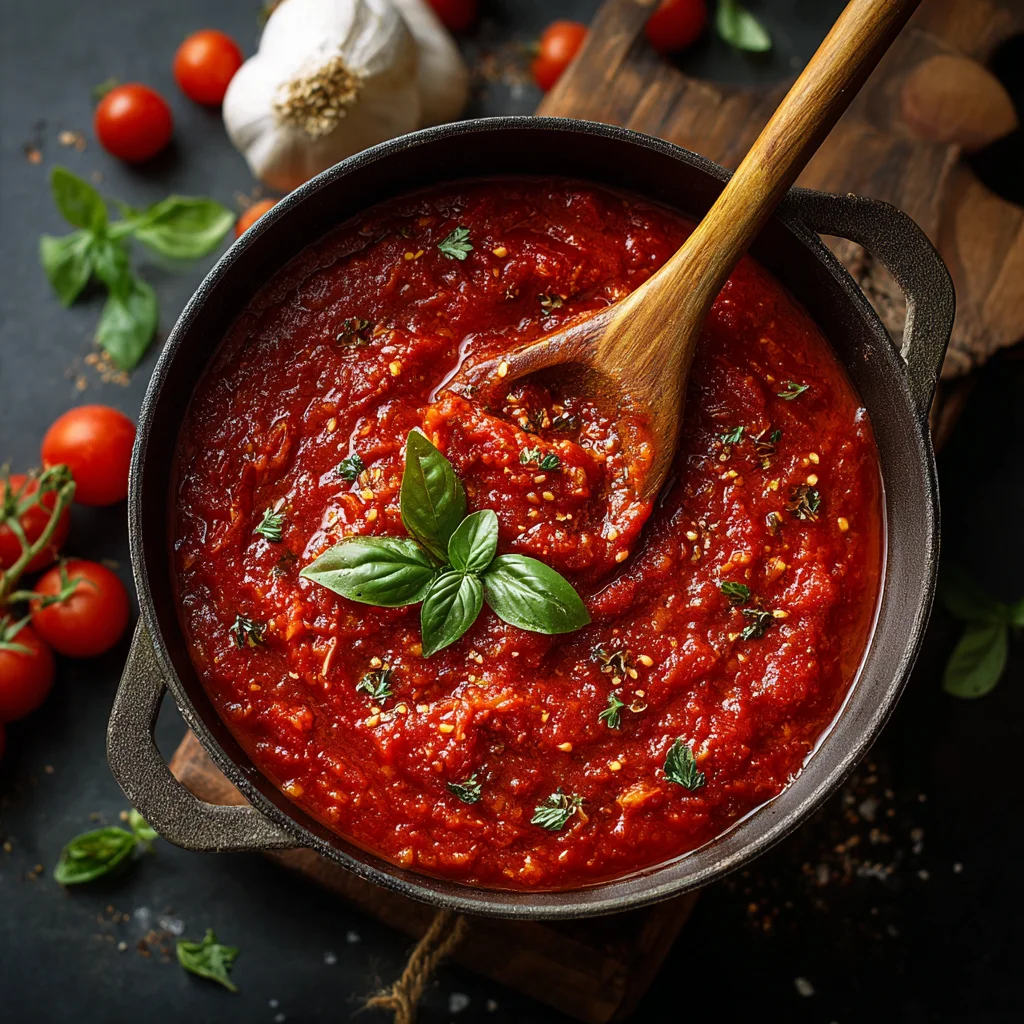
To make marinara sauce, you’ll need a few basic kitchen tools:
- Large saucepan: For sautéing and simmering the sauce.
- Wooden spoon: For stirring and breaking up the tomatoes.
- Knife and chopping board: To prepare the onion and garlic.
- Blender or immersion blender (optional): If you prefer a smooth sauce.
Extra Tips for the Perfect Marinara Sauce
- Longer Simmering = More Flavor: If you have the time, let your marinara sauce simmer for longer than 30 minutes. This allows the flavors to develop even further and gives the sauce a deeper, richer taste.
- Adjust the Acidity: If the sauce tastes too acidic, a pinch of sugar can help balance it out. Adjust the sweetness and acidity until the flavor is just right.
- Roast the Garlic: For a slightly milder, sweeter flavor, try roasting the garlic before adding it to the sauce.
- For Extra Depth: Add a splash of red wine or balsamic vinegar to the sauce while it simmers for an added layer of complexity.
Storage
Marinara sauce can be stored in an airtight container in the refrigerator for up to 4-5 days. It also freezes well—store it in freezer-safe containers for up to 3 months. When ready to use, simply reheat on the stove over low heat, adding a splash of water or broth if the sauce has thickened too much during storage.
Nutritional Breakdown (Per Serving)
| Nutrient | Amount |
| Calories | 90 kcal |
| Protein | 2 g |
| Carbs | 18 g |
| Fat | 4 g |
| Fiber | 3 g |
| Sugar | 9 g |
This marinara sauce is relatively low in calories but packed with flavor. It’s a great, healthy addition to any meal, offering a rich taste with fewer calories than many store-bought varieties.
Frequently Asked Questions
Final Thoughts
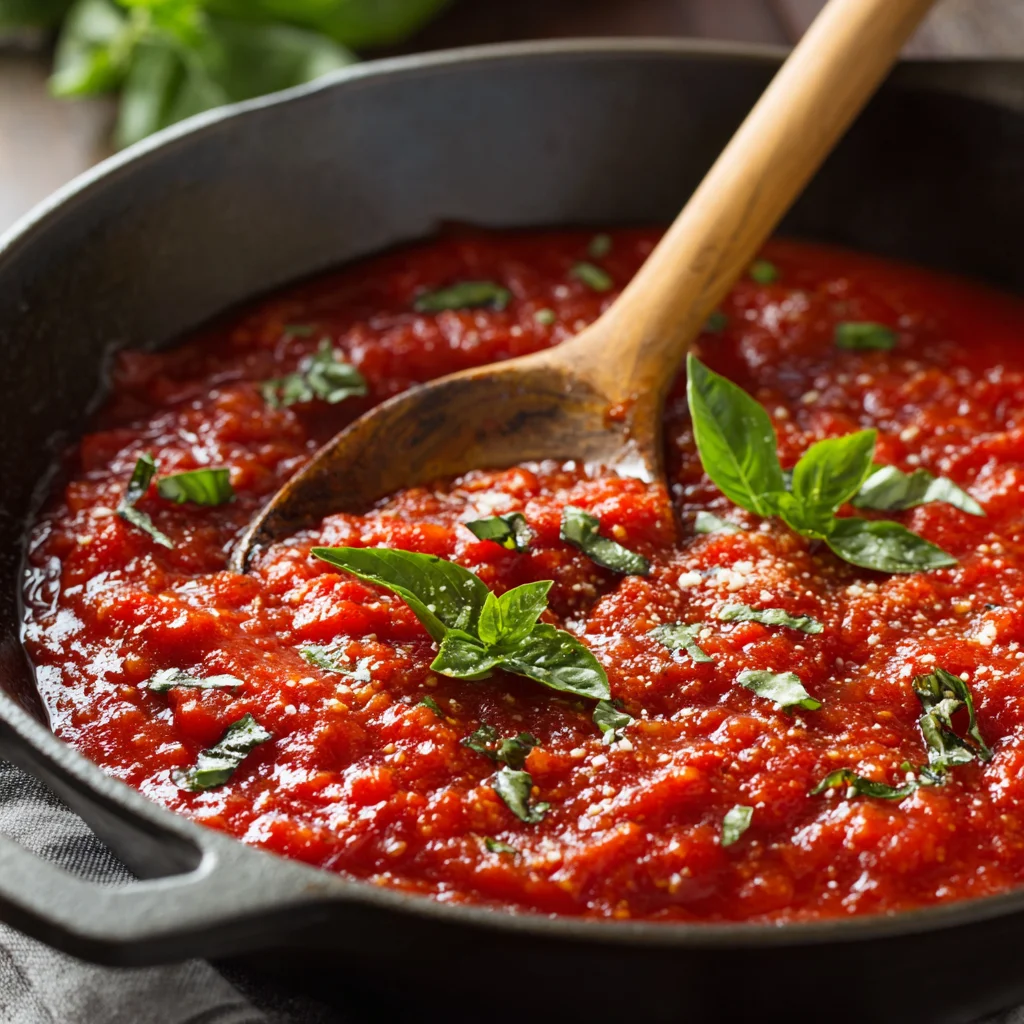
Making marinara sauce from scratch is a rewarding and easy way to bring authentic Italian flavors to your kitchen. With just a few simple ingredients, you can create a sauce that’s perfect for pasta, pizza, or any number of Italian dishes. Whether you’re looking for a quick weeknight meal or preparing a dinner for guests, this marinara sauce will impress everyone with its rich, savory taste. So next time you’re craving something hearty and delicious, reach for this easy recipe and enjoy the true flavors of Italy in your own home!