Vegetarian Pasta Primavera: A Fresh & Flavorful Weeknight Favorite
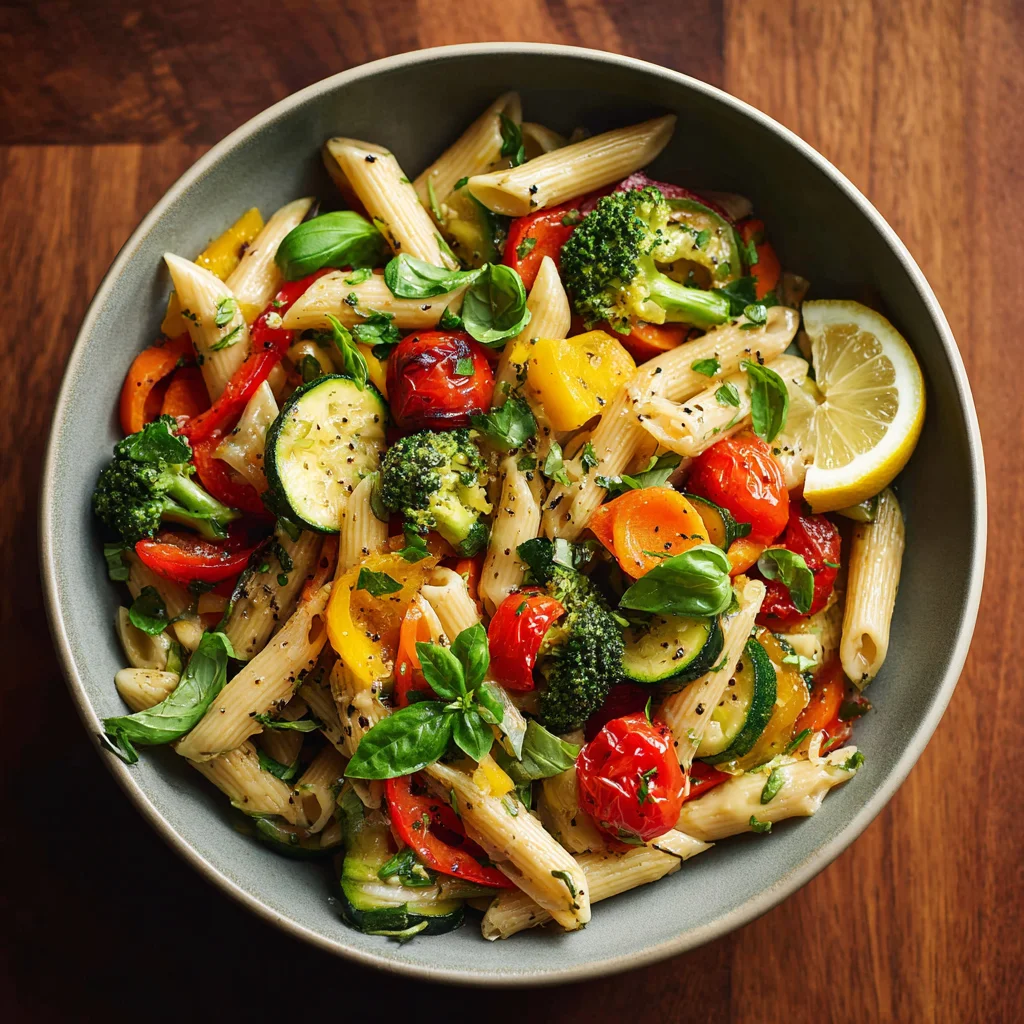
There’s something comforting about tossing together a big bowl of pasta loaded with vibrant veggies. You don’t need to be a pro chef to make it. Just a few ingredients, a bit of chopping, and you’ve got yourself a cozy plate of vegetarian pasta primavera that feels like a warm hug—only healthier.
I make this pasta at least twice a month. Not because I’m fancy. More because it’s the easiest way to sneak in half the fridge’s produce before anything goes bad. 😂 And it always tastes different depending on what I throw in. That’s the magic of this dish—it’s flexible, colorful, and packed with flavor.
What is Pasta Primavera?
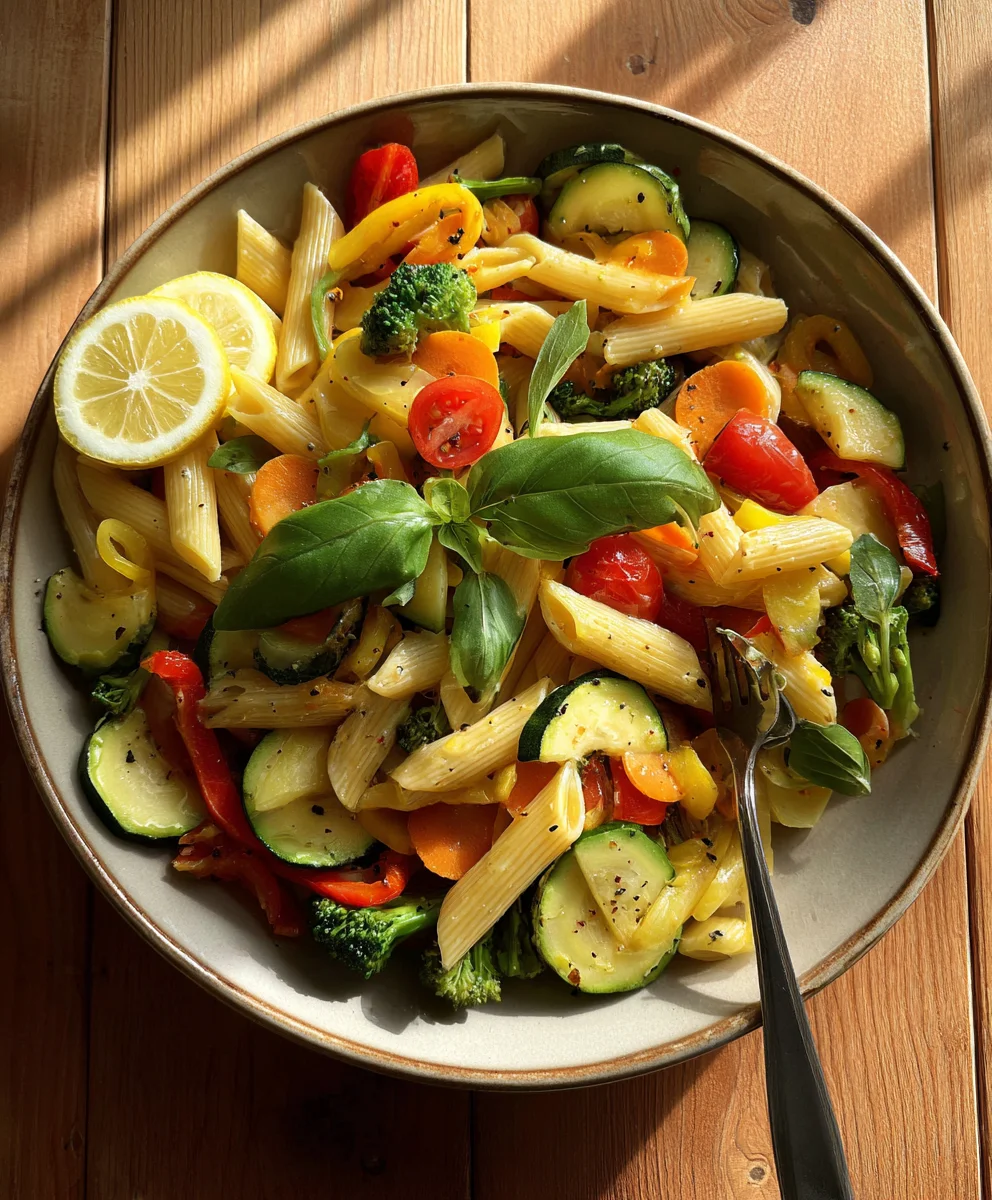
You’ve probably heard the name tossed around on restaurant menus, but at its core, pasta primavera is just pasta + fresh seasonal vegetables. That’s it. No complicated sauces or hard-to-find stuff. It’s often served with a light olive oil or lemon-based sauce (sometimes a bit of cream), and it’s ideal for those looking for veggie based dinner ideas or a quick healthy meatless dinner that doesn’t taste like rabbit food.
Ingredients You’ll Need
Main Ingredients:
- 12 oz pasta (penne, farfalle, or spaghetti work great)
- 2 tbsp extra virgin olive oil
- 3 garlic cloves, minced
- ½ red onion, thinly sliced
- 1 zucchini, sliced
- 1 yellow squash, sliced
- 1 red bell pepper, julienned
- 1 cup broccoli florets
- 1 cup cherry tomatoes, halved
- 1 medium carrot, peeled into ribbons
- Juice of 1 lemon
- Salt and freshly ground pepper, to taste
- 1 tsp dried oregano or Italian herb mix
- ¼ tsp red chili flakes (optional, for a bit of heat)
Optional Add-ins for Veggie Protein Dinner:
- ½ cup cooked chickpeas or white beans
- Toasted pine nuts or walnuts for crunch
- Fresh basil or parsley for garnish
Kitchen Tools Needed
- Large pot for boiling pasta
- Large skillet or sauté pan
- Wooden spoon or spatula
- Knife and cutting board
- Citrus squeezer (or just your hands)
- Strainer/colander
Step-by-Step Recipe
1. Boil the Pasta
Bring a large pot of salted water to a boil. Cook pasta until al dente. Reserve about ½ cup of the starchy pasta water and drain the rest.
2. Sauté the Veggies
While the pasta’s cooking, heat olive oil in a large skillet over medium heat. Add garlic and red onion; cook for 2–3 minutes until fragrant.
Toss in the carrots and broccoli first since they need more time. After about 3 minutes, add zucchini, squash, and bell peppers. Stir occasionally and cook until just tender (not mushy!).
3. Combine & Season
Add the drained pasta to the skillet. Pour in lemon juice, chili flakes, herbs, salt, pepper, and a bit of that pasta water to loosen everything up. Gently mix until everything is coated and glossy.
4. Finish & Serve
Turn off the heat. Stir in cherry tomatoes and any optional add-ins like chickpeas or fresh herbs. Taste and adjust seasoning. Serve hot, warm, or even room temp. 🌿
Time & Serving Info
- Prep time: 10 minutes
- Cook time: 15–20 minutes
- Total time: ~30 minutes
- Servings: Serves 4
Recipe Notes
- Want a vegetarian light dinner? Use whole wheat or chickpea pasta for extra fiber and protein.
- If you’re avoiding dairy, skip any Parmesan on top—this is already a healthy dinner recipe with no cheese.
- Not a fan of some veggies? Sub them out. Asparagus, mushrooms, or snap peas all work beautifully.
- Leftover pasta water helps bind everything—don’t forget it!
Storage Tips
Fridge: Store in an airtight container for up to 4 days. It’s great cold or reheated.
Freezer: Not ideal due to the fresh veggies. If you must freeze, undercook the pasta slightly and use firmer vegetables like carrots or bell peppers.
Reheat: Add a splash of water or olive oil to a skillet for a quick stovetop reheat. Microwave works too, but it might dry out slightly.
Nutrition Breakdown (Per Serving)
| Nutrient | Amount |
| Calories | ~350 |
| Protein | 10–12g |
| Carbohydrates | ~45g |
| Fiber | ~6g |
| Fat | ~12g |
| Sugar | ~6g |
| Saturated Fat | ~1g |
| Cholesterol | 0mg |
| Sodium | ~180mg |
(Note: Will vary based on pasta and optional add-ins used.)
Extra Tips to Make It Perfect
- Use a mandoline slicer if you’re short on time (and patience) for veggie chopping.
- Roast instead of sauté for a richer, caramelized flavor.
- If it tastes a little flat, it probably needs more acid (lemon juice) or salt. Don’t be shy!
- Add a swirl of basil pesto on top for a herby upgrade.
How to Serve
Honestly, it’s a whole meal in itself. But if you’re feeling a bit extra, here’s how to round it out:
- Side of garlic bread or focaccia
- Light soup or broth (like a tomato basil)
- Mixed green salad with lemon vinaigrette
- A glass of crisp white wine or sparkling water with lemon
FAQs

Final Thought
Vegetarian pasta primavera isn’t just another pasta dish—it’s a celebration of fresh produce and simple cooking. Whether you’re after vegetarian meals for family, a quick weekday fix, or trying to clear out the veggie drawer, this recipe is that solid fallback you’ll keep coming back to.
Let your fridge decide the flavors, pour yourself a drink, and enjoy the process. 🍷🌱