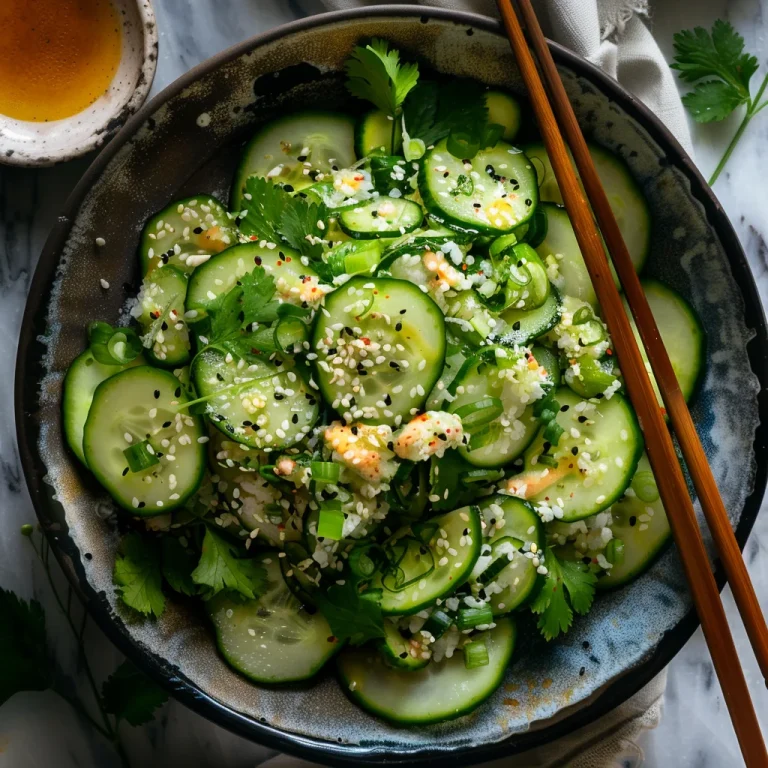
California Roll Cucumber Salad: A Fresh, Sushi-Inspired Dish You Will Crave All Summer
There is something undeniably appealing about the California roll. It has introduced generations of people to the world of sushi with its approachable combination of mild, sweet crab, buttery avocado, and cool crisp cucumber wrapped in seasoned rice and nori. It is familiar, comforting, and deeply satisfying in a way that feels effortless — and that is precisely the energy this salad brings to your table.
California roll cucumber salad takes every flavor element that makes the original so universally loved and strips away the complexity of sushi-making entirely. There is no rice to season, no nori to handle, no rolling mat required, and no specialized technique to master. Instead, everything comes together in a single bowl with a whisk, a knife, and about twenty minutes of relaxed preparation. The result is a dish that tastes unmistakably of the California roll it was inspired by, yet feels entirely fresh and original in its own right.
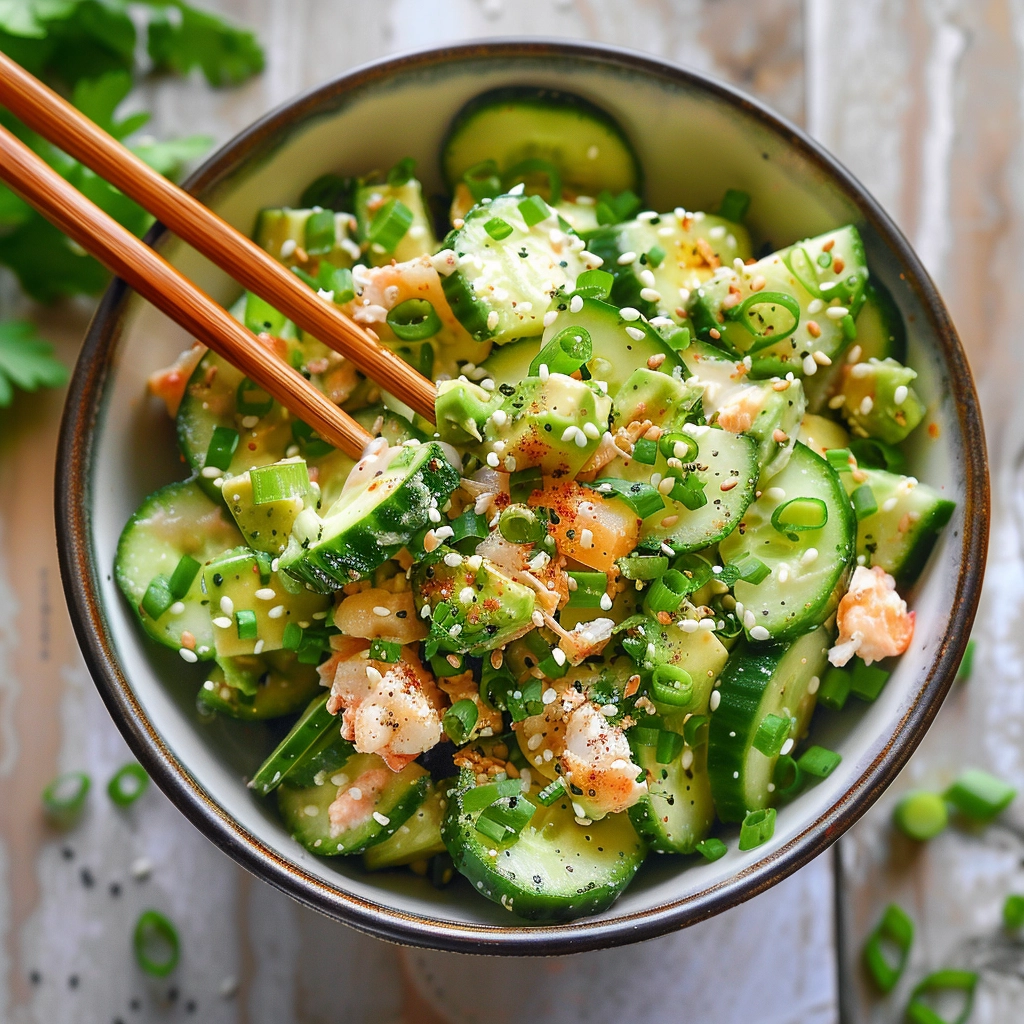
This salad has earned enormous popularity in recent years for good reason. It is light enough to serve as a starter, substantial enough to work as a lunch, impressive enough to bring to a gathering, and simple enough to make on a Tuesday evening after work without a second thought. It is also naturally low in calories, free of any cooking requirement, and endlessly adaptable to different tastes and dietary preferences. Few dishes manage to check this many boxes simultaneously while still tasting as genuinely delicious as this one does.
Prep Time, Cook Time & Calories at a Glance
| Detail | Information |
|---|---|
| Prep Time | 20 minutes |
| Cook Time | None |
| Total Time | 20 minutes |
| Servings | 4 |
| Calories per Serving | 180–220 kcal |
| Protein per Serving | 10–13g |
| Carbohydrates | 14–18g |
| Fat | 9–12g |
| Sodium | 520–640mg |
Calorie estimates vary based on the amount of dressing used, whether real or imitation crab is chosen, and optional toppings added.
Ingredients
For the Salad Base:
- 2 large English cucumbers or 4 Persian cucumbers
- 200g (7 oz) imitation crab meat, roughly shredded or chopped
- 1 large ripe avocado, diced or sliced
- ½ cup frozen edamame, thawed and shelled
- 3 green onions, thinly sliced
- 1 tablespoon toasted sesame seeds
- 1 sheet nori (dried seaweed), cut into thin strips with scissors (optional)
- ¼ cup thinly sliced radishes (optional)
For the Soy-Sesame Dressing:
- 3 tablespoons rice vinegar
- 2 tablespoons soy sauce or tamari for gluten-free
- 1 tablespoon sesame oil
- 1 tablespoon honey or maple syrup
- 1 teaspoon fresh ginger, finely grated
- 1 small clove garlic, finely grated
- 1 teaspoon sriracha or chili garlic sauce (optional for heat)
- 1 tablespoon mayonnaise or Japanese Kewpie mayonnaise (optional for creaminess)
For Garnish:
- Extra toasted sesame seeds
- Sliced green onions
- Pickled ginger on the side
- Wasabi for serving (optional)
- Nori strips
Step-by-Step Instructions
Step 1 — Prepare the Cucumbers The cucumber preparation in this recipe deserves careful attention because it directly determines the texture quality of the finished salad. Begin by washing the cucumbers thoroughly. If using English cucumbers, there is no need to peel them — the thin skin adds color and a pleasant textural contrast. If using standard garden cucumbers with thicker skin, peel them before proceeding. Slice the cucumbers into thin rounds approximately three to four millimeters thick, or use a mandoline slicer for perfectly uniform slices if you have one available.
Once sliced, place the cucumber rounds in a colander set over a bowl and sprinkle them with half a teaspoon of salt. Toss gently and allow them to sit for ten minutes. This salting process draws out the excess moisture naturally present in cucumbers, which would otherwise dilute the dressing and make the salad watery within minutes of assembling. After ten minutes, gently press the cucumber slices with clean hands or a folded paper towel to remove as much liquid as possible before proceeding.
Step 2 — Prepare the Crab Meat If using imitation crab sticks, peel them apart along their natural grain into long, thin shreds rather than chopping them. This shredding technique more closely resembles the texture of real crab meat and integrates more beautifully into the salad than uniform chunks would. If you prefer a chunkier texture, simply slice the crab sticks into one-inch pieces. Real crab meat can be used in place of imitation crab — simply pick through it carefully to remove any remaining shell fragments and break it into generous pieces before adding it to the bowl.
Step 3 — Make the Soy-Sesame Dressing In a small bowl or jar, combine the rice vinegar, soy sauce, sesame oil, honey, grated fresh ginger, grated garlic, and sriracha if using. Whisk together vigorously until the honey is fully dissolved and the dressing is well blended. If you are adding the optional mayonnaise for a creamier, richer dressing that more closely echoes the spicy mayo found in sushi restaurants, whisk it in at this stage until fully incorporated and smooth. Taste the dressing — it should be tangy, slightly sweet, deeply savory, and carry a noticeable sesame aroma. Adjust any element to suit your preference before dressing the salad.
Step 4 — Assemble the Salad Pat the salted cucumber slices one final time with paper towels to remove any remaining moisture, then transfer them to a large mixing bowl. Add the shredded imitation crab, thawed edamame, and sliced green onions. Pour approximately two thirds of the prepared dressing over the mixture and toss gently to coat everything evenly. Taste at this point and add more dressing if needed — the goal is every component lightly and evenly coated rather than swimming in dressing.
Step 5 — Add the Avocado Add the diced or sliced avocado to the bowl last and fold it in with extreme gentleness using a large spoon or rubber spatula. Avocado bruises and breaks down very easily under pressure, and once it becomes mushy it loses both its visual appeal and its pleasant, buttery textural contribution to the salad. A few careful folds are all that is needed to distribute the avocado throughout the bowl without damaging it.
Step 6 — Garnish and Serve Transfer the assembled salad to a serving platter or individual bowls. Scatter the toasted sesame seeds generously over the top, arrange the nori strips across the surface if using, lay the thinly sliced radishes around the edges for color and crunch, and finish with a final scatter of sliced green onions. Serve immediately with pickled ginger and wasabi on the side for those who enjoy the full sushi experience alongside their bowl.
Serving Suggestions
As a Starter at a Dinner Party: Serve small portions of this salad in individual glasses or shallow bowls as an elegant and unexpected first course. The sushi-inspired flavors feel fresh and exciting as an opener, particularly before an Asian-themed main course or a simple grilled protein.
As a Light Lunch: A generous portion of this salad on its own makes a completely satisfying and nutritionally balanced midday meal. Pair it with a small bowl of miso soup on the side for a Japanese-inspired lunch combination that feels both light and deeply nourishing without any heaviness.
Alongside Grilled Fish or Shrimp: This salad pairs beautifully with grilled salmon, seared tuna, or grilled shrimp. The clean, sesame-forward dressing complements the natural flavor of seafood without competing with it, and the cucumber provides a cooling contrast to anything coming hot off the grill.
As Part of a Spread: Include this salad as part of a larger Asian-inspired spread alongside gyoza, edamame, miso soup, and steamed rice. It contributes freshness and acidity to the table that balances heavier, richer dishes and gives the meal a sense of variety and abundance.
Creative Variations
Real Crab Version: Replace the imitation crab with fresh cooked Dungeness crab or high-quality canned lump crab meat for an elevated, restaurant-quality version of this salad that works beautifully for special occasions or dinner parties where you want to impress.
Spicy Tuna Variation: Replace the crab entirely with sushi-grade tuna cut into small cubes and tossed in a mixture of soy sauce, sesame oil, and sriracha before adding to the salad. This creates a spicy tuna cucumber salad that is equally inspired by sushi and even more boldly flavored than the original.
Mango Addition: Add one cup of diced fresh ripe mango to the assembled salad for a tropical sweetness that plays beautifully against the savory soy dressing and the creamy avocado. The mango also adds a beautiful pop of golden color that makes the salad visually stunning on any table.
Creamy Sesame Version: Double the mayonnaise in the dressing and reduce the rice vinegar by half for a richer, creamier dressing that coats every ingredient more generously. This version leans closer to the spicy mayo experience of a sushi restaurant and works particularly well for those who prefer a less acidic flavor profile.
Storage Instructions
This salad is best assembled and consumed immediately for the freshest flavor and texture. However, if you need to prepare it ahead of time, store the dressed cucumber and crab mixture separately from the avocado in an airtight container in the refrigerator for up to one day. Add the avocado, sesame seeds, nori strips, and fresh garnishes only when ready to serve. The dressed base without avocado holds reasonably well for up to twenty-four hours, though the cucumbers will continue releasing moisture and the dressing will become slightly more diluted over time. The dressing itself keeps perfectly in a sealed jar in the refrigerator for up to five days.
Notes
- Salt the cucumbers without skipping: Drawing moisture out of the cucumbers before assembling the salad is the most important preparation step in this entire recipe. Skipping it results in a watery, diluted salad within minutes of dressing — the excess liquid washes the dressing off every ingredient and pools at the bottom of the bowl, making the whole dish feel soggy and flat rather than fresh and vibrant.
- Use Kewpie mayonnaise if available: Japanese Kewpie mayonnaise is made with rice vinegar rather than regular vinegar and egg yolks only rather than whole eggs, giving it a distinctly richer, tangier, and more umami-forward flavor than standard Western mayonnaise. If you can find it at an Asian grocery store or in the international aisle of a well-stocked supermarket, it elevates the dressing of this salad noticeably and brings it closer to the authentic flavor profile of Japanese sushi restaurant condiments.
- Add avocado last and serve promptly: Avocado begins oxidizing and browning almost immediately after it is cut and exposed to air. To keep the salad looking as beautiful as it tastes, add the avocado only in the final moments before serving and consume the salad promptly rather than letting it sit for an extended period after assembly.
Frequently Asked Questions (FAQs)
Q1. Can I use real crab meat instead of imitation crab in this salad?
Absolutely, and real crab produces a noticeably more luxurious result. Fresh cooked Dungeness crab, lump crab meat, or high-quality canned crab all work beautifully. Simply pick through the crab carefully to remove any shell fragments, break it into generous pieces, and add it exactly as you would the imitation crab. Keep in mind that real crab is significantly more delicate in flavor than imitation crab, so you may want to use a slightly lighter hand with the dressing to avoid overwhelming its natural sweetness.
Q2. How do I stop the avocado from turning brown if I need to prepare this ahead of time?
The most effective approach is to store the avocado separately from the rest of the salad until the very moment of serving. If the avocado must be cut in advance, toss the pieces immediately in a small amount of fresh lemon or lime juice — the citric acid slows the oxidation process significantly. Press a sheet of plastic wrap directly against the surface of the cut avocado before sealing the container to minimize its exposure to air, which is the primary trigger for browning.
Q3. Is this salad gluten-free?
The salad is very easily made fully gluten-free with one simple substitution. Replace the regular soy sauce in the dressing with tamari, which is a Japanese soy sauce brewed without wheat and is certified gluten-free. Also check the label on your imitation crab — many brands contain wheat starch as a filler ingredient. Choose a certified gluten-free imitation crab brand or use real crab meat, which is naturally gluten-free, to ensure the entire dish is safe for those with gluten sensitivities or celiac disease.
Q4. Can I make this salad without sesame oil?
Sesame oil contributes a significant portion of this dressing’s distinctive aroma and flavor, so omitting it does change the character of the dish noticeably. If sesame oil is unavailable or if you have a sesame allergy, replace it with a mild neutral oil such as avocado oil or light olive oil and add an extra half teaspoon of rice vinegar to compensate for some of the lost depth. The salad will still taste fresh and pleasant, but the sesame dimension that makes it feel authentically sushi-inspired will be reduced.
Conclusion
California roll cucumber salad is the kind of dish that earns immediate, enthusiastic praise from everyone who tries it — capturing all the clean, satisfying flavors of the sushi roll it draws inspiration from while being faster, easier, and more accessible than anything involving a rolling mat, and proving convincingly that some of the most memorable food you will ever serve comes together in a single bowl with nothing more than a sharp knife, a good dressing, and twenty minutes of unhurried preparation.