
Chicken Asparagus Recipe: A Simple, Elegant Dish Packed with Flavor and Nutrition
Some dishes earn their place in a cook’s permanent repertoire not through complexity or novelty but through sheer reliability. Chicken and asparagus is exactly that kind of recipe. It is a pairing that has appeared on dinner tables for generations — in rustic farmhouse kitchens, in elegant restaurant dining rooms, and in busy weeknight households where the priority is something genuinely delicious that comes together without drama. The reason it endures is simple: chicken and asparagus are two ingredients that bring out the very best in each other.
Chicken provides a tender, juicy, protein-rich foundation with a mild, versatile flavor that welcomes whatever seasoning or sauce is applied to it. Asparagus brings brightness, a distinctive grassy sweetness, a beautiful jade-green color, and a firm-yet-tender bite that contrasts beautifully with the softness of cooked chicken. Together, dressed in garlic, lemon, herbs, and a good quality cooking fat, they produce a dish that feels simultaneously light and satisfying, simple and refined.
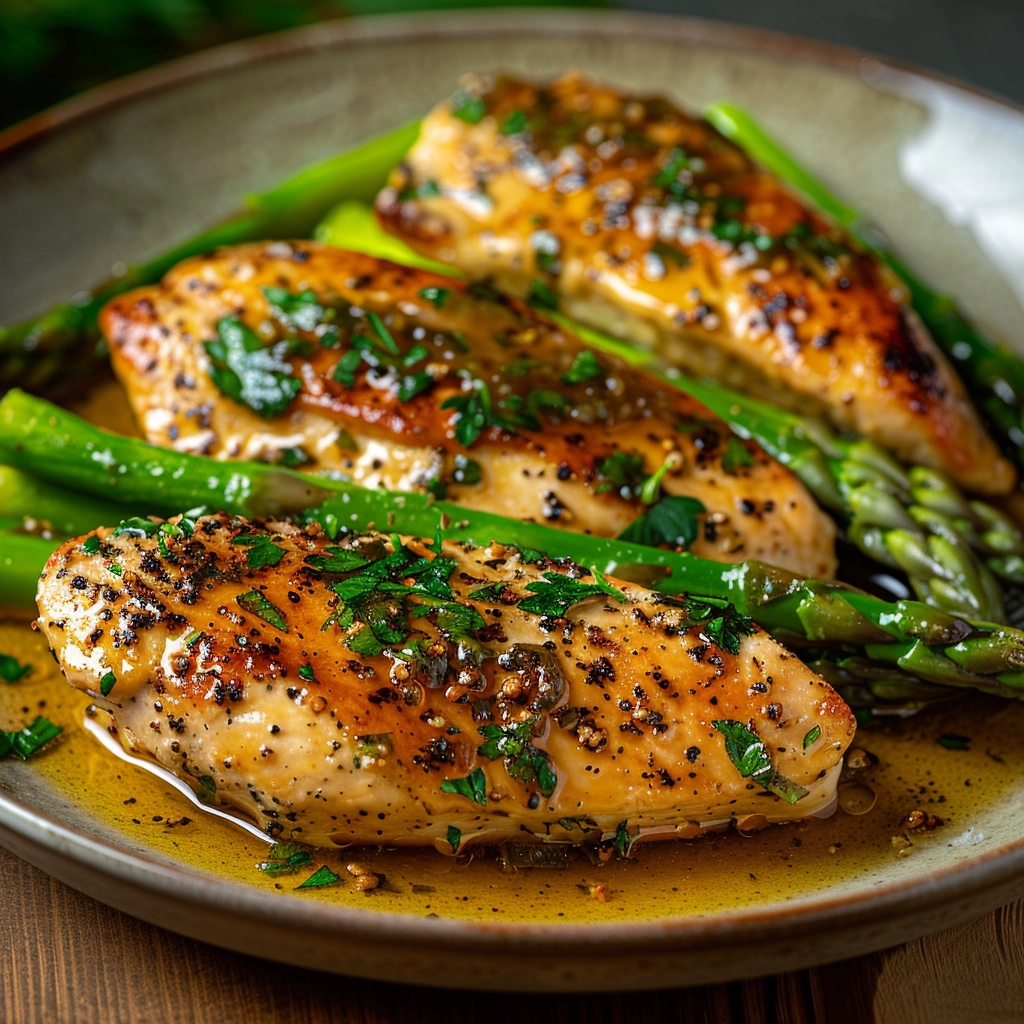
What makes chicken asparagus recipes particularly appealing in the modern kitchen is their adaptability. The combination works beautifully as a quick one-pan weeknight dinner, an elegant dish worthy of dinner party service, a meal-prep staple that reheats without losing quality, and a recipe that fits comfortably within a wide range of dietary frameworks including low-carb, gluten-free, dairy-free, and paleo eating styles.
This article walks through everything you need to know — selecting the best ingredients, a detailed step-by-step recipe, multiple cooking methods, expert tips, serving ideas, creative variations, nutritional benefits, and a comprehensive FAQ section.
Why Chicken and Asparagus Work So Well Together
Understanding why certain ingredient pairings succeed helps cooks make better decisions both when following recipes and when improvising in the kitchen. Chicken and asparagus succeed for several interconnected reasons.
From a flavor perspective, asparagus contains a compound called asparagusic acid that breaks down into sulfurous molecules during cooking — producing that distinctive, slightly earthy, grassy aroma that is unmistakably asparagus. This earthiness provides a counterpoint to the mild, neutral quality of chicken in the same way that a sharp herb cuts through a rich sauce. The two flavors do not compete; they complement.
From a textural standpoint, the contrast is equally satisfying. Well-cooked chicken — whether pan-seared, roasted, or grilled — has a firm, juicy density. Asparagus, when cooked correctly to tender-crisp rather than fully soft, offers a snap and slight resistance that makes every bite more interesting. The two textures in combination create a more satisfying mouthfeel than either ingredient alone.
From a practical cooking perspective, the two ingredients have compatible cooking times when prepared thoughtfully. A chicken breast sliced into strips or thin cutlets cooks in roughly the same time as asparagus spears at medium-high heat — making one-pan preparations genuinely practical rather than requiring careful juggling of multiple pots.
Selecting the Best Ingredients
The Chicken
Boneless, skinless chicken breasts are the most commonly used cut in chicken asparagus recipes and work excellently. They cook quickly, slice cleanly, and present beautifully. For maximum juiciness, pound them to an even thickness of about three-quarters of an inch before cooking — this eliminates the thick-center-thin-edge problem that leads to uneven cooking and dry edges.
Boneless, skinless chicken thighs are an equally excellent and often superior alternative. Their higher fat content keeps them moist under virtually any cooking method, they tolerate slightly longer cooking times without drying out, and their richer flavor adds depth that breast meat does not provide. Many professional cooks default to thighs for exactly these reasons.
For a more elegant, restaurant-style presentation, bone-in chicken breasts or airline-cut chicken breasts — with the drumette attached — roast beautifully alongside asparagus in the oven and present impressively on the plate.
The Asparagus
Asparagus selection is one of the areas where a little knowledge makes a significant difference to the finished dish. Several variables matter:
Thickness: Thin asparagus spears — sometimes called pencil asparagus — cook very quickly and become tender in two to three minutes of sautéing. Thick asparagus spears take longer and benefit from slightly longer exposure to heat. Neither is inherently superior; the key is adjusting cooking time to the thickness of the spears you have.
Freshness: Fresh asparagus should have tightly closed, compact tips and firm, upright stalks that do not droop when held horizontally. Cut ends should look moist rather than dried and fibrous. The color should be a vivid, uniform green — avoid spears that have yellowed or developed a soft texture.
Trimming: The woody base of asparagus stalks is tough and unpleasant to eat. The easiest way to find the natural breaking point is to hold a spear at both ends and bend gently — it will snap precisely where the tender section ends and the tough section begins. Alternatively, line the spears up and cut approximately two inches from the base as a reliable general rule.
Supporting Ingredients
Garlic: Fresh minced or thinly sliced garlic is fundamental to virtually every great chicken asparagus preparation. It provides an aromatic foundation that elevates both the chicken and the asparagus simultaneously.
Lemon: Lemon juice and zest are among the most important flavor enhancers in this dish. The acidity of fresh lemon juice brightens the natural flavors of both ingredients, cuts through any richness in the cooking fat or sauce, and adds a clean, fresh finish that makes the dish taste alive. Always use fresh lemon — the bottled variety lacks the volatile aromatic compounds that make fresh citrus so impactful.
Olive oil or butter: A good quality extra virgin olive oil provides fruitiness and depth alongside its high heat tolerance for searing. Unsalted butter adds richness, a nutty quality when browned slightly, and a glossy finish to the sauce. Many of the best preparations use both — olive oil for searing, butter added later for finishing.
Fresh herbs: Thyme, rosemary, tarragon, and parsley all pair beautifully with both chicken and asparagus. Thyme provides earthy, slightly floral notes. Rosemary adds a piney intensity that works well with roasted preparations. Tarragon — with its subtle anise character — has a classical affinity with chicken that is well-documented in French cuisine. Fresh parsley adds brightness and color as a finishing garnish.
Parmesan: Freshly grated Parmesan scattered over the finished dish adds a salty, savory, umami-rich depth that ties the flavors together beautifully and creates an appealing golden crust under the broiler.
Step-by-Step Recipe: One-Pan Lemon Garlic Chicken and Asparagus
This recipe represents the most practical, reliable, and delicious approach to cooking chicken and asparagus together — a single pan, bold flavors, and a total time under 35 minutes.
Prep Time: 10 minutes Cook Time: 25 minutes Total Time: 35 minutes Servings: 4
Ingredients
- 4 boneless, skinless chicken breasts (approximately 6 oz each), pounded to even thickness
- 1 bunch fresh asparagus (approximately 1 lb), woody ends trimmed
- 4 cloves garlic, minced
- 1 lemon, zested and juiced
- 3 tablespoons extra virgin olive oil, divided
- 2 tablespoons unsalted butter
- 1 teaspoon dried thyme or 1 tablespoon fresh thyme leaves
- 1 teaspoon smoked paprika
- ½ teaspoon onion powder
- Salt and freshly cracked black pepper to taste
- ¼ cup freshly grated Parmesan cheese (optional)
- 2 tablespoons fresh parsley, roughly chopped, for garnish
Instructions
Step 1 — Prepare the chicken. Pat the chicken breasts completely dry with paper towels. This step removes surface moisture and is essential for achieving a good golden sear rather than steaming. Season both sides generously with smoked paprika, onion powder, dried thyme, salt, and freshly cracked black pepper. Allow the seasoned chicken to sit at room temperature for 10 minutes while you prepare the other ingredients.
Step 2 — Prepare the asparagus. Trim the woody ends from the asparagus. If the spears are thick, cut them in half lengthwise for faster, more even cooking and a more elegant presentation. If using thin or medium spears, leave them whole. Toss lightly with a teaspoon of olive oil, a pinch of salt, and a few cracks of black pepper.
Step 3 — Sear the chicken. Heat 2 tablespoons of olive oil in a large, wide oven-safe skillet — a 12-inch cast iron or stainless steel pan works best — over medium-high heat until shimmering. Add the chicken breasts in a single layer without crowding. Sear undisturbed for 5 to 6 minutes until a deep golden crust forms on the underside. Flip and sear the second side for 4 to 5 minutes. The chicken does not need to be fully cooked through at this stage — it will finish in the oven. Transfer to a plate and set aside.
Step 4 — Sauté the garlic. Reduce the heat to medium. Add the butter to the same pan — it will pick up all the flavorful browned bits from the chicken. Add the minced garlic and sauté for 60 seconds, stirring constantly, until fragrant and lightly golden. Add the lemon zest and stir once more.
Step 5 — Add the asparagus. Add the asparagus to the pan in a single layer. Toss to coat in the garlic butter. Cook for 2 to 3 minutes, turning occasionally, until the asparagus is bright green and beginning to develop golden spots but still firm. Season lightly with salt.
Step 6 — Return chicken and finish in the oven. Nestle the seared chicken breasts back into the pan among the asparagus. Drizzle the fresh lemon juice evenly over everything. Scatter the Parmesan over the chicken if using. Transfer the pan to an oven preheated to 400°F (200°C) and bake for 10 to 12 minutes until the chicken reaches an internal temperature of 165°F (74°C) and the Parmesan is golden and beginning to bubble at the edges.
Step 7 — Rest and serve. Remove the pan from the oven. Allow the chicken to rest for 5 minutes before serving — this allows the juices to redistribute throughout the meat, ensuring each slice is as moist as possible. Scatter fresh parsley over the top, squeeze an extra wedge of lemon over everything, and serve directly from the pan for a rustic, impressive presentation.
Alternative Cooking Methods
Grilled Chicken and Asparagus
Grilling adds a smoky, charred dimension that is uniquely appealing in warmer months. Marinate the chicken in olive oil, lemon juice, garlic, and herbs for at least 30 minutes. Toss the asparagus in olive oil and season generously. Grill the chicken over medium-high direct heat for 6 to 7 minutes per side. Grill the asparagus perpendicular to the grates for 3 to 4 minutes, turning once, until tender with attractive char marks. The combination of grilled chicken and slightly charred asparagus is one of the finest expressions of this pairing.
Sheet Pan Chicken and Asparagus
Sheet pan cooking offers the ultimate in hands-off convenience. Season chicken thighs and arrange on one side of a large rimmed baking sheet. Toss asparagus in olive oil, lemon zest, and seasoning and arrange on the other side. Roast at 425°F (220°C) for 20 to 25 minutes — add the asparagus to the pan halfway through the chicken’s cooking time to prevent it from overcooking. Everything finishes simultaneously with minimal cleanup.
Stir-Fried Chicken and Asparagus
For an Asian-inspired preparation, slice chicken into thin strips and stir-fry over high heat with garlic, ginger, sesame oil, soy sauce, and oyster sauce. Add asparagus cut into two-inch pieces and toss until tender-crisp. Finish with a drizzle of sesame oil and a scatter of sesame seeds. Serve over steamed jasmine rice or noodles for a complete, satisfying meal in under twenty minutes.
Creamy Chicken and Asparagus Pasta
Cook sliced chicken breast and asparagus in a wide pan, then add heavy cream, Parmesan, lemon juice, and a ladle of pasta cooking water to create a silky sauce that coats everything in richness. Toss with al dente fettuccine or penne for a restaurant-quality pasta dish that comes together in thirty minutes.
Expert Tips for the Best Results
Never skip the rest period. Allowing cooked chicken to rest for five minutes before cutting is one of the most important and most frequently ignored steps in cooking. Cutting immediately causes the juices — which have been driven to the center of the meat by heat — to pour out onto the cutting board. Resting allows them to redistribute evenly, producing noticeably juicier chicken.
Cook asparagus to tender-crisp, not soft. Overcooked asparagus loses its vibrant green color, its pleasant snap, and much of its nutritional value. The ideal asparagus is bright green, bends slightly when lifted from one end, and yields to a knife with very slight resistance. Pull it from the heat a moment before it seems fully done — carryover cooking will finish the job.
Use an oven-safe pan for the sear-and-roast method. Transferring from stovetop to oven in a single vessel develops a better crust than starting in the oven, as the initial high-heat sear creates a Maillard reaction on the surface of the chicken that the oven alone cannot replicate efficiently.
Season at every stage. Season the chicken before cooking, the asparagus when it goes in the pan, and taste and adjust once more before serving. Layered seasoning produces a depth of flavor that single-stage seasoning cannot match.
Deglaze the pan. After searing the chicken, the browned bits left on the pan surface contain extraordinary flavor. Dissolving them with a splash of white wine, chicken broth, or lemon juice before adding the asparagus creates a natural pan sauce that elevates the entire dish.
Zest before juicing. Always zest the lemon before cutting and juicing it. Once a lemon is juiced, it becomes nearly impossible to zest effectively. The zest contains essential oils that are more aromatic and intense than the juice alone.
Serving Suggestions
Chicken asparagus is a highly versatile main course that pairs beautifully with a wide range of accompaniments.
For a light, low-carb meal, serve the chicken and asparagus alongside a simple arugula salad dressed with lemon vinaigrette and shaved Parmesan. The peppery arugula echoes the asparagus’s slight bitterness and creates a cohesive, elegant plate.
For a more substantial dinner, creamy mashed potatoes, buttery risotto, or roasted garlic polenta provide a rich, starchy base that absorbs the pan juices and completes the meal beautifully. Steamed or roasted baby potatoes tossed in herbs are a simpler, equally satisfying option.
Crusty sourdough bread is always welcome alongside — particularly when there is a pan sauce or lemon garlic butter in the dish that deserves to be mopped up thoroughly. For a grain-based accompaniment, herbed couscous, farro, or wild rice all complement the flavors of lemon, garlic, and asparagus without competing with them.
Creative Variations
Chicken Asparagus with Sun-Dried Tomatoes: Add chopped sun-dried tomatoes and a handful of fresh basil to the pan during the final few minutes of cooking. The sweet intensity of sun-dried tomatoes against the brightness of asparagus and lemon creates a deeply Mediterranean flavor profile.
Chicken Asparagus with Balsamic Glaze: Drizzle a good quality balsamic reduction over the finished dish. The sweet, tangy depth of aged balsamic pairs beautifully with both the chicken and the asparagus and makes for a stunning visual presentation.
Creamy Tuscan Chicken and Asparagus: After searing the chicken, deglaze with white wine, add heavy cream, cherry tomatoes, fresh spinach, and asparagus, and simmer until a luscious sauce forms. Finish with fresh basil and Parmesan for a richly indulgent variation.
Asian Sesame Chicken and Asparagus: Marinate the chicken in soy sauce, sesame oil, ginger, and garlic. Cook over high heat and serve alongside asparagus stir-fried with oyster sauce, sesame seeds, and a drizzle of chili oil.
Chicken Asparagus Frittata: Dice leftover chicken and asparagus and fold into a beaten egg mixture with Parmesan and fresh herbs. Cook in an oven-safe skillet until set, then finish under the broiler for a golden, puffed frittata that makes an outstanding breakfast, brunch, or light dinner.
Prosciutto-Wrapped Asparagus with Chicken: Wrap individual asparagus spears in thin slices of prosciutto before roasting alongside seasoned chicken breasts. The prosciutto crisps in the oven, providing a salty, savory crunch that transforms the asparagus into something truly spectacular.
Nutritional Benefits
Chicken asparagus is one of those rare dishes that is as nutritionally impressive as it is delicious, making it an excellent choice for regular eating.
Chicken breast is one of the leanest, highest-quality protein sources available. A single 6-ounce serving provides approximately 50 grams of complete protein — all essential amino acids present — alongside B vitamins, particularly niacin and B6, which support energy metabolism and nervous system function. Chicken thigh provides similar protein content with slightly more fat, including beneficial monounsaturated fatty acids.
Asparagus is a nutritional standout among vegetables. It is one of the richest food sources of folate — a B vitamin critical for cell division, DNA synthesis, and particularly important during pregnancy. It provides significant amounts of vitamin K, which supports bone health and proper blood clotting. Its vitamin C content supports immune function and collagen production. Asparagus also contains inulin — a prebiotic fiber that feeds beneficial gut bacteria and supports a healthy digestive microbiome.
The combination of lean protein, complex vegetables, olive oil, garlic, lemon, and fresh herbs in this dish delivers an impressive spectrum of macronutrients and micronutrients without excess calories. A standard serving provides approximately 320 to 380 calories, 42 to 48 grams of protein, 8 to 12 grams of fat from olive oil and butter, and 6 to 10 grams of carbohydrates — making it an outstanding choice for those monitoring carbohydrate intake.
Frequently Asked Questions
Q1. How do I know when the asparagus is perfectly cooked?
Perfectly cooked asparagus is bright green, bends very slightly when lifted from one end, and offers minimal resistance when pierced with a sharp knife at the thickest part of the stalk. It should still have a pleasant snap when bitten — what cooks call tender-crisp. If asparagus has turned olive green or yellow-green and droops limply when held, it is overcooked. Pull it from the heat 30 seconds earlier than you think necessary — carryover heat will continue cooking it off the flame.
Q2. Can I use frozen asparagus instead of fresh?
Fresh asparagus is strongly preferred for this recipe as frozen asparagus tends to be significantly softer and releases a considerable amount of water during cooking, which interferes with browning and makes pan-searing difficult. If fresh asparagus is unavailable, thaw frozen asparagus completely, pat very thoroughly dry with paper towels, and add it to the pan for a shorter cooking time than fresh. Expect a softer texture in the finished dish.
Q3. How do I prevent the chicken from drying out?
Three practices reliably produce juicy chicken: pounding to an even thickness before cooking, searing at high enough heat to form a crust quickly that seals in moisture, and allowing the chicken to rest for at least five minutes before cutting. An instant-read thermometer is the most reliable tool for preventing overcooking — pull the chicken from the heat when the internal temperature reaches 160°F (71°C) and allow it to rest, during which carryover cooking will bring it to the safe temperature of 165°F (74°C) without overcooking.
Q4. What pan works best for this recipe?
A 12-inch cast iron skillet or a heavy stainless steel pan are the best choices. Cast iron retains heat exceptionally well and produces a superior sear. Stainless steel is more responsive to heat changes and is easier to deglaze. Both are oven-safe, making them ideal for the sear-and-roast method. Avoid nonstick pans for this preparation — their lower heat tolerance limits the development of the browned crust that is central to the dish’s flavor.
Q5. Can I make this dish dairy-free?
Yes, easily. Replace the butter with additional olive oil or a plant-based butter alternative. Omit the Parmesan or substitute with nutritional yeast for a savory, cheesy flavor without dairy. The dish remains completely delicious and satisfying without butter or Parmesan — the garlic, lemon, and herbs carry the flavor beautifully on their own.
Q6. How long does leftover chicken and asparagus keep in the refrigerator?
Stored in an airtight container, leftover chicken and asparagus keeps well in the refrigerator for up to 3 days. Reheat gently in a skillet over medium-low heat with a splash of chicken broth or water to prevent the chicken from drying out. The microwave works in a pinch — use 50% power and heat in 30-second intervals to avoid overcooking. The asparagus will soften slightly upon reheating but remains pleasant in flavor.
Q7. What herbs work best with chicken and asparagus?
Thyme is the most universally compatible herb — its earthy, slightly floral character complements both ingredients without overwhelming them. Tarragon has a classical affinity with chicken and adds a sophisticated, slightly anise-like note that pairs beautifully with asparagus and lemon. Fresh parsley is the best all-purpose finishing herb — it adds brightness and color without altering the flavor significantly. Rosemary works well in roasted preparations but should be used more sparingly as its intensity can dominate.
Q8. Can I prepare this recipe for meal prep?
Yes, and it holds up particularly well. Cook the chicken and asparagus fully, allow to cool completely, and portion into airtight containers. Store in the refrigerator for up to 3 days. For meal prep purposes, slightly undercook the asparagus — taking it off the heat 30 seconds early — so that it does not become mushy when reheated. Pair each portion with a carbohydrate of your choice — rice, quinoa, or roasted potatoes all work beautifully and can be portioned alongside.
Conclusion
Chicken and asparagus is a pairing that has stood the test of time not because it is fashionable or complicated, but because it is fundamentally, reliably excellent. The tender, juicy chicken and the bright, snappy asparagus complement each other so naturally that the cook’s job is simply to apply the right heat, the right seasoning, and the right technique — and to step back while the ingredients do what they do best.
Whether you make the one-pan lemon garlic version on a Tuesday evening, grill it on a summer weekend, fold it into a creamy pasta for a dinner party, or use it as the foundation for a week of satisfying meal-prep lunches, this combination delivers every single time. It is healthy without feeling like a compromise, quick without feeling rushed, and elegant without demanding effort that most weeknight cooks are not prepared to give.
Add it to your regular rotation, learn the technique, and trust the ingredients. Chicken and asparagus will never let you down.


