
Cabbage Casserole Recipe: The Hearty, Comforting One-Dish Meal Everyone Will Love
Cabbage casserole is the kind of recipe that surprises people. Mention it and some will picture something bland and forgettable — a relic of budget cooking with little to recommend it. Make it properly and serve it, and those same people will be asking for seconds before they finish the first plate. Done right, cabbage casserole is deeply savory, satisfying, and genuinely delicious — a one-dish meal that transforms one of the most humble and affordable vegetables into something richly flavored, comforting, and completely crave-worthy.
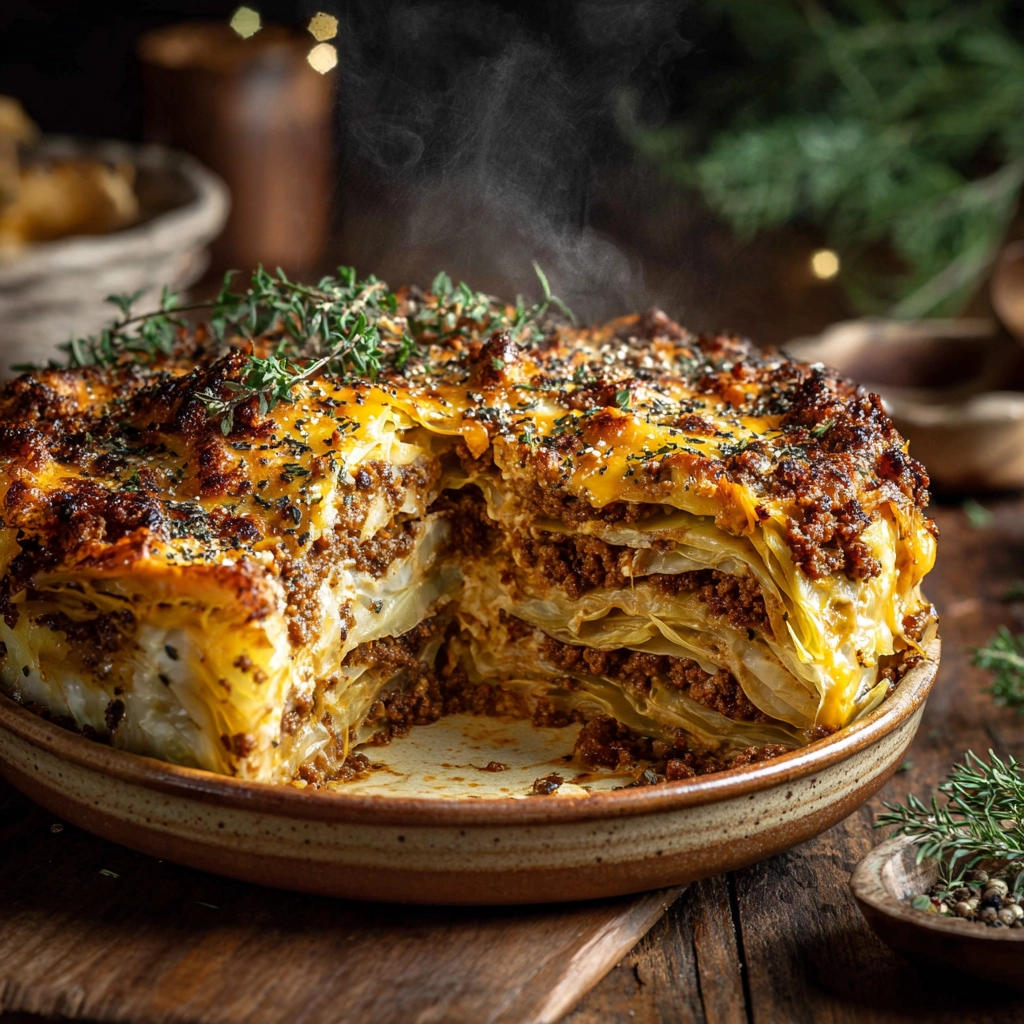
The genius of this dish is in what happens to cabbage under sustained heat. Raw cabbage is crisp and slightly bitter. Cooked slowly in a casserole alongside seasoned ground meat, tomatoes, rice, and melted cheese, it becomes silky, sweet, and tender — absorbing the surrounding flavors completely while adding its own mild, earthy depth to the finished dish. It is essentially an unstuffed cabbage roll in casserole form, delivering all the flavors of the classic Eastern European preparation without the tedious individual rolling and stuffing.
It feeds a crowd from a single baking dish, reheats beautifully, freezes well, and costs very little to make. For busy households, weeknight dinners, potluck contributions, or anyone looking to stretch a modest grocery budget without sacrificing flavor or satisfaction, cabbage casserole delivers on every front.
Why This Dish Works So Well
Cabbage casserole succeeds because every component plays a specific role that makes the whole better than the sum of its parts.
The cabbage provides bulk, subtle sweetness after cooking, and a tender texture that absorbs the tomato sauce and meat juices during baking. The ground meat — beef, pork, or a combination — contributes richness, protein, and savory depth. The tomatoes bring acidity and a bright, sauce-like quality that seasons every layer of the dish. The rice adds starch and substance, soaking up the surrounding liquid and binding the casserole into a cohesive, slice-able result. And the cheese on top melts into a golden, bubbling crust that makes every serving immediately appealing the moment the dish comes out of the oven.
The result is a casserole that tastes like it cooked for hours even though it comes together in under ninety minutes — the kind of deeply satisfying comfort food that earns a permanent place in regular meal rotation.
Key Ingredients
Cabbage
Green cabbage is the standard choice and the most appropriate one. Its flavor becomes sweeter and milder with cooking, and its sturdy leaves hold up well during baking without turning mushy. A medium head weighing approximately two pounds is the right quantity for a 9×13-inch casserole serving six to eight people.
Slice the cabbage into thin strips or rough, bite-sized chunks rather than fine shreds — pieces too small disappear into the casserole and lose their textural identity, while large pieces take longer to cook through and can remain tough.
Savoy cabbage is a softer, more delicate alternative with a slightly more complex flavor. It cooks faster than green cabbage and produces a silkier texture in the finished dish. Napa cabbage is the most delicate option — tender and sweet, it breaks down almost completely during baking, making it ideal for those who prefer a casserole where the cabbage integrates seamlessly rather than remaining distinct.
Ground Meat
Ground beef is the classic choice — its fat content produces a rich, deeply savory filling that suits the robust flavor of the tomato-based sauce. An 80/20 lean-to-fat ratio provides enough fat for flavor without producing excess grease that makes the casserole oily. Drain the browned meat thoroughly before adding it to the casserole.
Ground pork adds a slightly sweeter, richer dimension. A 50/50 blend of ground beef and ground pork is the most flavorful combination — deeply savory from the beef and slightly sweet from the pork, producing a filling with exceptional depth.
Ground turkey or ground chicken are leaner alternatives that work well when a lighter casserole is preferred. They benefit from more assertive seasoning since they contribute less inherent flavor than beef or pork.
The Tomato Sauce Base
The sauce binds the casserole and seasons it throughout. The combination of crushed tomatoes, tomato sauce, beef or chicken broth, and aromatics creates a deeply flavored, slightly sweet-acidic base that permeates every layer during baking.
Worcestershire sauce adds umami depth. A pinch of sugar balances the acidity of the tomatoes. Garlic, onion, smoked paprika, dried thyme, and Italian seasoning build a seasoning profile that is warm, herby, and subtly complex.
Rice
Long-grain white rice added uncooked to the casserole absorbs the surrounding liquid as it bakes, swelling to a tender, flavorful starch that holds everything together. Using uncooked rice is important — pre-cooked rice absorbs liquid too, but produces a softer, less distinct texture. The raw rice also acts as a natural thickener, producing a casserole with a satisfying, cohesive consistency rather than a loose, soupy one.
Brown rice can be substituted but requires an additional quarter cup of liquid and approximately fifteen more minutes of baking time to cook through completely.
Cheese
A generous cheese topping transforms the casserole from a good baked dish into something spectacular. Sharp cheddar is the most widely used choice — its bold, tangy flavor and reliable melt produce a deeply golden, flavorful top crust. Monterey Jack melts more smoothly for a milder, creamier result. A combination of both — one cup of each — provides both excellent melt and bold flavor.
Scatter the cheese across the top of the casserole during the final fifteen minutes of baking, uncovered, to allow it to melt and brown properly.
Step-by-Step Recipe
Prep Time: 20 minutes Cook Time: 1 hour 10 minutes Total Time: 1 hour 30 minutes Servings: 6 to 8
Ingredients
- 1 medium head green cabbage (about 2 lbs), roughly chopped
- 1.5 lbs ground beef (80/20) or a mix of beef and pork
- 1 medium yellow onion, finely diced
- 4 garlic cloves, minced
- 1 can (28 oz) crushed tomatoes
- 1 can (15 oz) tomato sauce
- 1 cup beef or chicken broth
- ¾ cup long-grain white rice, uncooked
- 1 tablespoon Worcestershire sauce
- 1 teaspoon smoked paprika
- 1 teaspoon Italian seasoning
- ½ teaspoon dried thyme
- 1 teaspoon salt
- ½ teaspoon black pepper
- 1 teaspoon sugar
- 2 tablespoons olive oil
- 2 cups shredded sharp cheddar or a mix of cheddar and Monterey Jack
Optional garnishes:
- Fresh parsley, chopped
- Sour cream
- Red chili flakes
Instructions
Step 1 — Preheat and prep. Preheat the oven to 375°F (190°C). Grease a 9×13-inch baking dish with cooking spray or olive oil. Remove the outer leaves of the cabbage, quarter, core, and chop into rough, bite-sized pieces approximately one to one and a half inches wide. Set aside.
Step 2 — Brown the meat. Heat the olive oil in a large skillet or Dutch oven over medium-high heat. Add the ground beef and cook, breaking it apart with a wooden spoon, for 5 to 6 minutes until browned and fully cooked through. Drain off excess fat, leaving about one tablespoon in the pan for flavor.
Step 3 — Cook the aromatics. Add the diced onion to the pan with the browned meat. Cook over medium heat for 3 to 4 minutes until softened and translucent. Add the minced garlic and cook for one more minute until fragrant. Season with smoked paprika, Italian seasoning, dried thyme, salt, black pepper, and sugar. Stir well to coat the meat and onions in the spice blend.
Step 4 — Build the sauce. Add the crushed tomatoes, tomato sauce, beef broth, and Worcestershire sauce to the pan. Stir to combine thoroughly. Bring to a gentle simmer over medium heat and cook for 3 to 4 minutes. Taste the sauce and adjust seasoning — it should be bold, slightly tangy, and well-seasoned. Add more salt, pepper, or a pinch more sugar if the tomatoes taste particularly acidic.
Step 5 — Assemble the casserole. Spread half the chopped cabbage in an even layer across the bottom of the prepared baking dish. Scatter the uncooked rice evenly over the cabbage layer. Spoon half the meat and tomato sauce mixture over the rice, spreading it to cover as evenly as possible. Add the remaining cabbage on top of the meat layer, pressing gently to compact it slightly. Spoon the remaining meat sauce over the top cabbage layer, covering it completely and ensuring the sauce reaches the edges of the dish.
Step 6 — Bake covered. Cover the baking dish tightly with aluminum foil. Bake at 375°F (190°C) for 50 minutes. The covered period traps steam, which cooks the cabbage through, hydrates and cooks the rice, and prevents the surface from drying out or burning before the center is fully cooked.
Step 7 — Add cheese and finish baking. After 50 minutes, carefully remove the foil — steam will escape, so tilt it away from you. Check that the cabbage is tender and the rice has absorbed the liquid by pressing a fork into the center of the casserole. If the rice still feels hard, re-cover and bake for an additional 10 minutes before proceeding. Scatter the shredded cheese evenly across the entire surface. Return to the oven uncovered for 15 minutes until the cheese is fully melted, bubbling, and beginning to develop golden-brown spots.
Step 8 — Rest and serve. Remove from the oven and allow to rest for 8 to 10 minutes before serving. The resting period allows the casserole to set slightly so it can be scooped and served in clean, cohesive portions rather than falling apart. Garnish with fresh chopped parsley and serve with sour cream alongside.
Expert Tips
Do not skip the covered baking period. The steam trapped by the foil is what cooks the rice and tenderizes the cabbage. Removing the foil too early results in dry edges, tough cabbage, and undercooked rice before the cheese goes on.
Drain the meat thoroughly. Excess fat from the browned ground beef will make the casserole greasy and the sauce thin. After browning, tilt the pan and spoon off or drain away as much rendered fat as possible, leaving just enough to flavor the aromatics.
Season the sauce assertively. The tomato sauce needs to be noticeably well-seasoned before baking because it will be diluted as the cabbage and rice release and absorb liquid during cooking. A sauce that tastes slightly too bold before baking will taste perfectly balanced in the finished casserole.
Chop cabbage into similar-sized pieces. Uniform pieces cook at the same rate. Irregularly sized pieces produce a casserole with some sections of cabbage perfectly tender and others still tough. Aim for consistently sized, roughly one-inch chunks throughout.
Press down the layers during assembly. A gentle press on each layer during assembly removes air pockets and ensures the sauce makes full contact with the cabbage and rice. This promotes even cooking throughout and prevents dry pockets developing in the center of the casserole.
Use an oven thermometer. Casseroles are sensitive to oven temperature variations. An oven that runs cool will leave the rice undercooked. An oven thermometer ensures accuracy and consistent results.
Serving Suggestions
Cabbage casserole is a complete meal on its own — protein, vegetables, starch, and dairy all present in a single dish. But thoughtful accompaniments make it even better.
A simple green salad with a light vinaigrette provides a fresh, acidic contrast to the richness of the casserole. Warm crusty bread or dinner rolls are excellent for scooping up the savory tomato sauce. Sour cream served alongside is both traditional and practical — a dollop stirred into each portion adds a cooling creaminess that complements the bold seasoning beautifully.
For a more substantial spread, serve alongside roasted carrots or steamed green beans for additional vegetables, or pair with a simple cucumber and dill salad for a refreshing Eastern European-inspired accompaniment that suits the unstuffed cabbage roll character of the dish.
Creative Variations
Unstuffed Cabbage Roll Casserole: Keep the base recipe as written but add half a cup of uncooked barley alongside the rice for a heartier, nuttier starch element with a chewier texture. This variation closely mirrors the filling of traditional stuffed cabbage rolls.
Cheesy Sausage and Cabbage Casserole: Replace the ground beef with one pound of Italian sausage — removed from casings — and half a pound of ground beef. The sausage adds fennel, garlic, and herb flavors that transform the casserole in a more Italian direction.
Vegetarian Cabbage Casserole: Replace the ground meat with two cans of drained lentils or one can each of lentils and chickpeas. Use vegetable broth in place of beef broth. The lentils provide protein, earthy flavor, and a satisfying density that makes the vegetarian version genuinely substantial.
Spicy Cabbage Casserole: Add one tablespoon of sriracha or two teaspoons of red chili flakes to the tomato sauce. Use pepper Jack cheese in place of cheddar for an additional layer of heat that builds pleasantly with each bite.
Creamy Cabbage Casserole: Stir four ounces of softened cream cheese into the tomato sauce before assembling the casserole for a richer, creamier sauce that coats the cabbage and rice in a velvety, indulgent way.
Nutritional Information
A standard serving of cabbage casserole made with ground beef, rice, tomato sauce, and cheddar cheese provides approximately 380 to 440 calories, 28 to 34 grams of protein, 28 to 34 grams of carbohydrates, and 16 to 22 grams of fat.
Cabbage is one of the most nutritionally impressive vegetables for its cost — rich in vitamin C, vitamin K, folate, and glucosinolates, which are plant compounds studied for their potential protective effects against cellular damage. It is also very high in dietary fiber, which supports digestive health and contributes to satiety. Ground beef provides complete protein, iron, zinc, and B vitamins including B12. Crushed tomatoes contribute lycopene, vitamin C, and potassium.
For a lighter version, use 93 percent lean ground turkey instead of beef, reduce the cheese to one cup, and replace the white rice with cauliflower rice added during the final 20 minutes of baking — this brings the calorie count to approximately 280 to 320 per serving while keeping the dish satisfying and flavorful.
Frequently Asked Questions
Q1. Can I make cabbage casserole ahead of time?
Yes. Assemble the casserole completely without the cheese topping, cover tightly with plastic wrap, and refrigerate for up to 24 hours before baking. When ready to cook, remove from the refrigerator 30 minutes before baking to take the chill off. Add 10 minutes to the covered baking time to account for the cold starting temperature. Add the cheese and bake uncovered as directed during the final 15 minutes.
Q2. Can I freeze cabbage casserole?
Yes — it freezes very well. Bake completely, allow to cool to room temperature, and portion into airtight freezer-safe containers. Freeze for up to 3 months. Thaw overnight in the refrigerator and reheat covered in a 350°F (175°C) oven for 20 to 25 minutes until heated through. The texture changes very slightly after freezing — the rice becomes a little softer — but the flavor remains excellent.
Q3. Why is my rice still hard after the indicated baking time?
Hard rice after the indicated baking time is almost always caused by insufficient liquid in the casserole or an oven that runs cooler than its indicated temperature. Ensure all the liquid ingredients are measured accurately. If the rice is still firm after 50 minutes of covered baking, add a quarter cup of hot broth or water to the casserole, re-cover tightly, and bake for an additional 10 to 15 minutes.
Q4. Can I use pre-cooked or leftover rice?
Yes, with adjustments. Reduce the broth by half a cup since the cooked rice will not need to absorb as much liquid. Add the cooked rice mixed into the meat sauce rather than layered separately, and reduce the total covered baking time to 35 to 40 minutes — enough to cook the cabbage through and meld the flavors without overcooking the rice into mush.
Q5. How do I prevent the casserole from being watery?
A watery casserole usually results from one of three causes: too much liquid in the recipe, cabbage releasing more water than expected during baking, or the foil being removed too early and the liquid not evaporating properly. Ensure the broth measurement is accurate. During the uncovered baking period with the cheese, any remaining excess liquid should evaporate. If the casserole still seems wet after baking, allow it to rest uncovered for 10 full minutes before serving — the liquid continues to absorb as it cools.
Q6. Can I make this without meat?
Yes. The vegetarian variation using lentils and chickpeas described above is genuinely satisfying. Alternatively, diced firm tofu seasoned with soy sauce, garlic, and smoked paprika and browned in a pan before layering provides a plant-based protein that works well in the casserole context. Use vegetable broth in place of beef broth and increase the seasoning slightly to compensate for the absence of the savory meat flavor.
Q7. What size baking dish should I use?
A 9×13-inch rectangular baking dish is the correct size for this recipe as written. The layers need adequate depth — at least two inches — to allow the rice to cook through and the cabbage to steam without the casserole overflowing. A dish that is too shallow will bubble over in the oven. A dish that is too deep will produce a casserole with uneven cooking — done at the edges before the center heats through.
Q8. How do I store and reheat leftovers?
Store leftovers in an airtight container in the refrigerator for up to 4 days. Reheat individual portions in the microwave at medium power in 60-second intervals with a splash of broth or water added to prevent drying. For larger portions, cover with foil and reheat in a 350°F (175°C) oven for 20 minutes. The casserole actually tastes better the next day as the flavors continue to develop overnight in the refrigerator.
Conclusion
Cabbage casserole is living proof that humble ingredients, handled with care and seasoned with intention, produce food that is genuinely outstanding. It asks very little — affordable vegetables, pantry-staple spices, ground meat, and cheese — and returns something deeply comforting, satisfying, and full of the kind of bold, savory flavor that makes people reach for a second helping without hesitation.
Brown the meat properly, season the sauce assertively, layer with care, bake covered until the rice and cabbage are perfectly tender, then finish with a generous blanket of melted cheese. These are not complicated steps — they are thoughtful ones. And the result is a casserole that feeds a crowd from a single dish, reheats beautifully for days of satisfying leftovers, and earns the kind of quiet, consistent appreciation that keeps it coming back to the table week after week.


