
Summer Pasta Salad: The Fresh, Vibrant Dish That Belongs at Every Warm-Weather Table
Summer pasta salad is the kind of dish that earns its place at every warm-weather gathering without question. It is colorful, refreshing, endlessly adaptable, and feeds a crowd with minimal effort. Bring it to a barbecue and it disappears. Serve it alongside grilled chicken at a weeknight dinner and it elevates the entire meal. Pack it for a picnic and it holds up better than almost anything else you could bring. The combination of perfectly cooked pasta, crisp fresh vegetables, bold dressing, and bright finishing flavors creates something that is greater than the sum of its parts — and once you learn the technique properly, it becomes one of the most reliable recipes in your entire summer rotation.
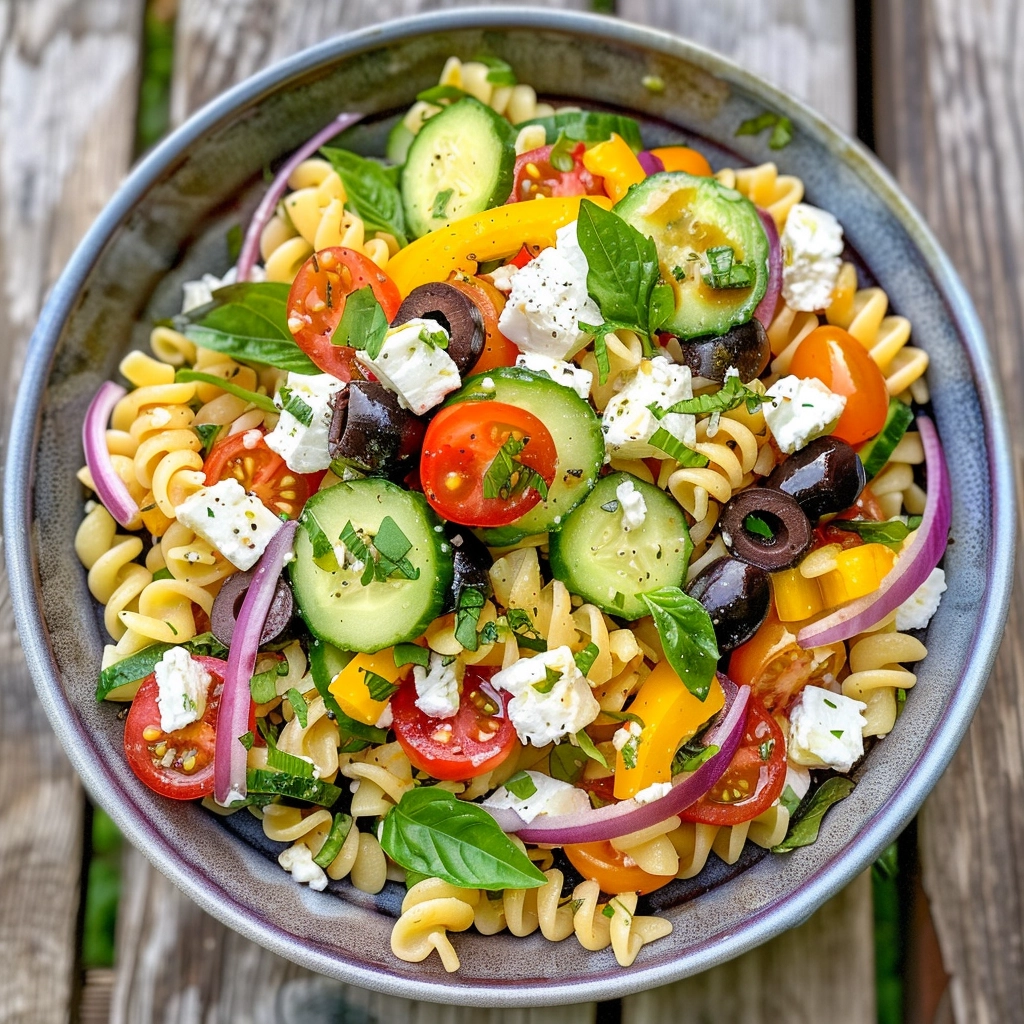
What Makes a Great Summer Pasta Salad
Several elements separate an outstanding summer pasta salad from the soggy, underseasoned versions that give the dish a bad reputation. Understanding these principles before you start cooking makes all the difference.
The pasta must be slightly undercooked. Pasta destined for a cold salad should come out of the water one to two minutes firmer than standard al dente. It continues absorbing liquid as it cools and sits in dressing, and pasta cooked to the package directions will be noticeably soft and mushy by serving time. Cook it short, drain it well, and never rinse it — rinsing removes the surface starch that helps the dressing cling.
The dressing must be bold. Pasta is bland by nature. The cooking water needs generous salt. The dressing needs enough acidity, seasoning, and flavor to coat every piece of pasta and every vegetable thoroughly. A timid dressing produces a flat salad. A well-seasoned, assertive dressing produces one that people reach for repeatedly.
The pasta must be dressed while warm. Warm pasta absorbs dressing far more efficiently than cold pasta. The moment the pasta is drained — before it has a chance to cool and clump — toss it with a portion of the dressing. This initial absorption means the pasta tastes of the dressing throughout rather than merely being coated on the outside.
Reserve dressing for serving. Pasta continues absorbing liquid during refrigeration. A salad that tastes perfectly dressed immediately after making will taste dry and flat an hour later. Always hold back roughly a quarter of the dressing and stir it through just before serving.
Key Ingredients
Pasta Shape
Choose a shape that captures and holds dressing. Rotini is the gold standard — its tight spirals trap dressing in every groove and its bouncy texture holds up beautifully after chilling. Fusilli is equally effective and nearly identical in practice. Farfalle looks beautiful and works well. Penne holds dressing inside its tubes. Avoid long pasta shapes like spaghetti or linguine — they tangle, clump, and are awkward to eat from a salad bowl.
Fresh Vegetables
The vegetables are what give summer pasta salad its identity. Choose produce at peak seasonal freshness.
Cherry tomatoes, halved, are the most important element — their sweetness, acidity, and color define the character of the salad. English cucumber adds cool crunch and mild freshness. Bell peppers in multiple colors — red and yellow for sweetness, green for bite — contribute color and crisp texture. Red onion, very thinly sliced, adds a sharp, slightly sweet backbone. Black olives or Kalamata olives bring briny, savory depth. Artichoke hearts from a jar add a tender, tangy element that elevates the salad considerably. Sun-dried tomatoes introduce a concentrated, chewy intensity alongside the fresh tomatoes.
Protein
Pasta salad works as a vegetarian dish but protein additions make it a complete meal. Cubed salami or pepperoni adds savory, cured-meat richness that suits Italian-dressed versions perfectly. Fresh mozzarella pearls or cubed mozzarella provide mild, creamy dairy. Grilled or shredded chicken makes the salad a proper main course. Chickpeas are the best plant-based option — firm, flavorful, and excellent at absorbing dressing.
The Dressing
The dressing defines the flavor profile of the entire salad.
Classic Italian Dressing:
- ½ cup extra virgin olive oil
- 3 tablespoons red wine vinegar
- 1 tablespoon fresh lemon juice
- 1 teaspoon Dijon mustard
- 1 teaspoon dried Italian seasoning
- 1 teaspoon garlic powder
- ½ teaspoon sugar
- Salt and black pepper to taste
Combine in a jar, seal, and shake vigorously until emulsified. Taste before using — it should be assertively acidic, well-seasoned, and balanced.
Cheese
Freshly grated Parmesan is the most versatile choice — its sharp, nutty flavor works with any dressing. Crumbled feta suits lemon-based dressings beautifully. Fresh mozzarella pearls add mild creaminess. Cubed provolone complements Italian dressing with a slight smokiness.
Step-by-Step Recipe
Prep Time: 20 minutes Cook Time: 10 minutes Chill Time: 30 minutes Total Time: 1 hour Servings: 8 to 10
Ingredients
Salad:
- 12 oz rotini or fusilli
- 1 cup cherry tomatoes, halved
- 1 English cucumber, diced
- 1 red bell pepper, diced
- 1 yellow bell pepper, diced
- ½ red onion, thinly sliced
- 1 cup black or Kalamata olives, halved
- 1 cup artichoke hearts, quartered
- ½ cup sun-dried tomatoes, chopped
- 4 oz salami, cubed
- 1 cup mozzarella pearls
- ½ cup Parmesan, freshly grated
- ½ cup fresh basil leaves, torn
Italian Dressing:
- ½ cup extra virgin olive oil
- 3 tablespoons red wine vinegar
- 1 tablespoon fresh lemon juice
- 1 teaspoon Dijon mustard
- 1 teaspoon Italian seasoning
- 1 teaspoon garlic powder
- ½ teaspoon sugar
- Salt and black pepper to taste
Instructions
Step 1 — Cook the pasta. Bring a large pot of water to a rolling boil. Salt it generously — a full tablespoon per gallon. Add the pasta and cook one to two minutes less than the package directions. Drain without rinsing.
Step 2 — Dress the warm pasta. Transfer the hot pasta immediately to a large mixing bowl. Pour half the dressing over it and toss thoroughly. The warmth allows deep absorption. Spread on a baking sheet to cool faster, or leave in the bowl. Cool to room temperature — about 15 to 20 minutes.
Step 3 — Make the dressing. Combine all dressing ingredients in a sealed jar. Shake vigorously for 30 seconds until emulsified. Taste and adjust — more vinegar for brightness, more sugar to balance acidity, salt as needed.
Step 4 — Prepare the vegetables. While the pasta cools, halve the tomatoes, dice the cucumber and peppers, thinly slice the onion, halve the olives, quarter the artichoke hearts, chop the sun-dried tomatoes, and cube the salami.
Step 5 — Combine everything. Once the pasta is at room temperature, add all the vegetables, salami, and half the remaining dressing. Toss well. Add the mozzarella and Parmesan. Fold gently two or three times to distribute the cheese without breaking it down.
Step 6 — Chill. Cover and refrigerate for at least 30 minutes. This step is not optional — it allows the flavors to meld, the pasta to absorb the seasoning, and the salad to reach a temperature that is genuinely refreshing.
Step 7 — Finish and serve. Remove from the refrigerator 10 minutes before serving. Taste — it will likely need the reserved dressing, a pinch of salt, and possibly a squeeze of lemon juice. Add the torn fresh basil, toss once more, and serve immediately.
Expert Tips
Salt the water aggressively. Under-seasoned cooking water produces flat pasta that no amount of dressing can fully rescue. The water should taste pleasantly salty before the pasta goes in.
Never rinse the pasta. Rinsing washes off the surface starch that allows the dressing to adhere and be absorbed. It also drives the temperature down too fast, preventing the initial warm dressing from penetrating properly.
Season after chilling. Cold temperatures mute flavor perception. A well-seasoned salad at room temperature tastes flat when cold. Always taste and re-season after refrigerating and again immediately before serving.
Add basil at the last moment. Fresh basil blackens quickly when it contacts acidic dressing for extended periods. Add it only at serving time to preserve its bright green color and fresh flavor.
Make more dressing than you think you need. Pasta is remarkably absorbent. A generous quantity of dressing made in advance and reserved in stages ensures the salad is never dry.
Serving Suggestions
Summer pasta salad is as versatile in serving as it is in construction. At a backyard barbecue it partners perfectly with grilled chicken, burgers, ribs, and corn on the cob — its cool acidity cutting through the richness of smoky grilled food. At a picnic it travels beautifully and actually tastes better after a few hours in a cooler. As a weeknight main course, a generous scoop alongside grilled shrimp or a simple green salad makes a complete and satisfying dinner.
For party presentation, serve in a large wide bowl that showcases the colors. Garnish with a drizzle of olive oil, extra Parmesan, fresh basil leaves, and a crack of black pepper. Set out additional dressing on the side for guests who prefer a more generously dressed portion.
Creative Variations
Greek Pasta Salad: Swap the Italian dressing for a lemon-oregano vinaigrette. Add crumbled feta, pepperoncini, and extra Kalamata olives. Finish with fresh oregano.
BLT Pasta Salad: Toss with crispy bacon, cherry tomatoes, shredded romaine, hard-boiled eggs, and a creamy ranch dressing.
Southwest Pasta Salad: Combine with black beans, charred corn, avocado, pepper Jack cheese, and a chipotle-lime vinaigrette with cumin and chili powder.
Caprese Pasta Salad: Keep it beautifully simple — fresh mozzarella, cherry tomatoes, fresh basil, balsamic glaze, and excellent olive oil over orzo.
Pesto Pasta Salad: Toss warm pasta generously with fresh basil pesto. Add cherry tomatoes, pine nuts, and Parmesan. Serve at room temperature for maximum pesto fragrance.
Nutritional Information
A standard serving of Italian-dressed summer pasta salad with vegetables, salami, and mozzarella provides approximately 380 to 450 calories, 12 to 18 grams of protein, 42 to 50 grams of carbohydrates, and 16 to 22 grams of fat. The olive oil dressing contributes heart-healthy monounsaturated fats. Multicolored bell peppers deliver more vitamin C per gram than most citrus. Cherry tomatoes provide lycopene — a powerful antioxidant linked to cardiovascular health. For a lighter version, replace salami with grilled chicken, use a lemon vinaigrette, and reduce the cheese quantity. This brings calories to approximately 320 to 360 per serving while increasing protein significantly.
Frequently Asked Questions
Q1. How far in advance can I make summer pasta salad? Up to 24 hours in advance with excellent results. Make the night before a gathering, reserve a portion of the dressing, and add fresh basil and reserved dressing just before serving. The flavors actually improve overnight as everything melds together.
Q2. Why does my pasta salad taste bland after refrigerating? Two reasons — under-salted cooking water and cold temperatures suppressing flavor. Always salt the water generously and always taste and re-season after chilling. Add the reserved dressing, a pinch of salt, and a squeeze of lemon juice just before serving to refresh everything.
Q3. How do I prevent mushy pasta? Cook one to two minutes under the package directions and never rinse after draining. Under-cooked pasta firms up perfectly after absorbing dressing during chilling. Rinsed pasta loses the surface starch that maintains its structure.
Q4. Can I use gluten-free pasta? Yes. Chickpea or lentil pasta holds up best because its higher protein content gives it a firmer structure. Cook one minute under the package directions as gluten-free pasta becomes mushy faster than regular pasta.
Q5. Can I add avocado? Yes — but only immediately before serving. Avocado browns quickly when exposed to air and acidic dressing. Dice it, toss in lime juice, and fold it in at the last moment.
Q6. How much pasta per person? Three to four ounces of dry pasta per person as a side dish. Four to six ounces per person as a main course. When in doubt, make more — pasta salad keeps well and leftovers are always welcome.
Q7. What is the best way to transport it? Store in a large airtight container. Pack in a cooler with ice packs for journeys over 30 minutes. Keep the reserved dressing and fresh herbs in separate containers and combine on arrival. The additional chilling time during transport actually benefits the flavor.
Q8. Can I make this dairy-free? Yes. Simply omit the mozzarella and Parmesan or replace with dairy-free cheese alternatives. The salad remains completely delicious — the dressing, vegetables, olives, and sun-dried tomatoes carry substantial flavor independently of the cheese.
Conclusion
Summer pasta salad earns its beloved status through a combination of practicality and genuine deliciousness that few dishes can match. It asks very little — well-salted cooking water, pasta pulled from the pot a minute early, a bold and well-made dressing, fresh seasonal vegetables, and the patience to let it chill before serving. In return, it delivers a dish that feeds a crowd beautifully, travels with ease, improves over time, and consistently draws the kind of enthusiastic response that makes cooking for others so rewarding. Master the fundamentals — undercook, dress warm, season boldly, reserve dressing — and this becomes one of the most reliably excellent recipes in your entire summer kitchen.


